
Blog March 8, 2021
Few Americans are Confident in American Democracy, But Younger Americans are Especially Skeptical

If governments can effectively administer the COVID-19 vaccine and deliver economic support, it will go a long way in demonstrating that even if government is clunky and the results imperfect, the institutions of democratic governance can work. Continue Reading →
Blog January 8, 2021
Older Americans Support Getting Vaccinated Regardless of Their Politics or the Perceived Threat of COVID-19
As the US ramps up vaccinations, political identity is important in predicting the behavior of younger Americans. Continue Reading →
Blog October 7, 2020
For Republicans, Abortion Attitudes Differ Depending on the Composition of Their Social Circle
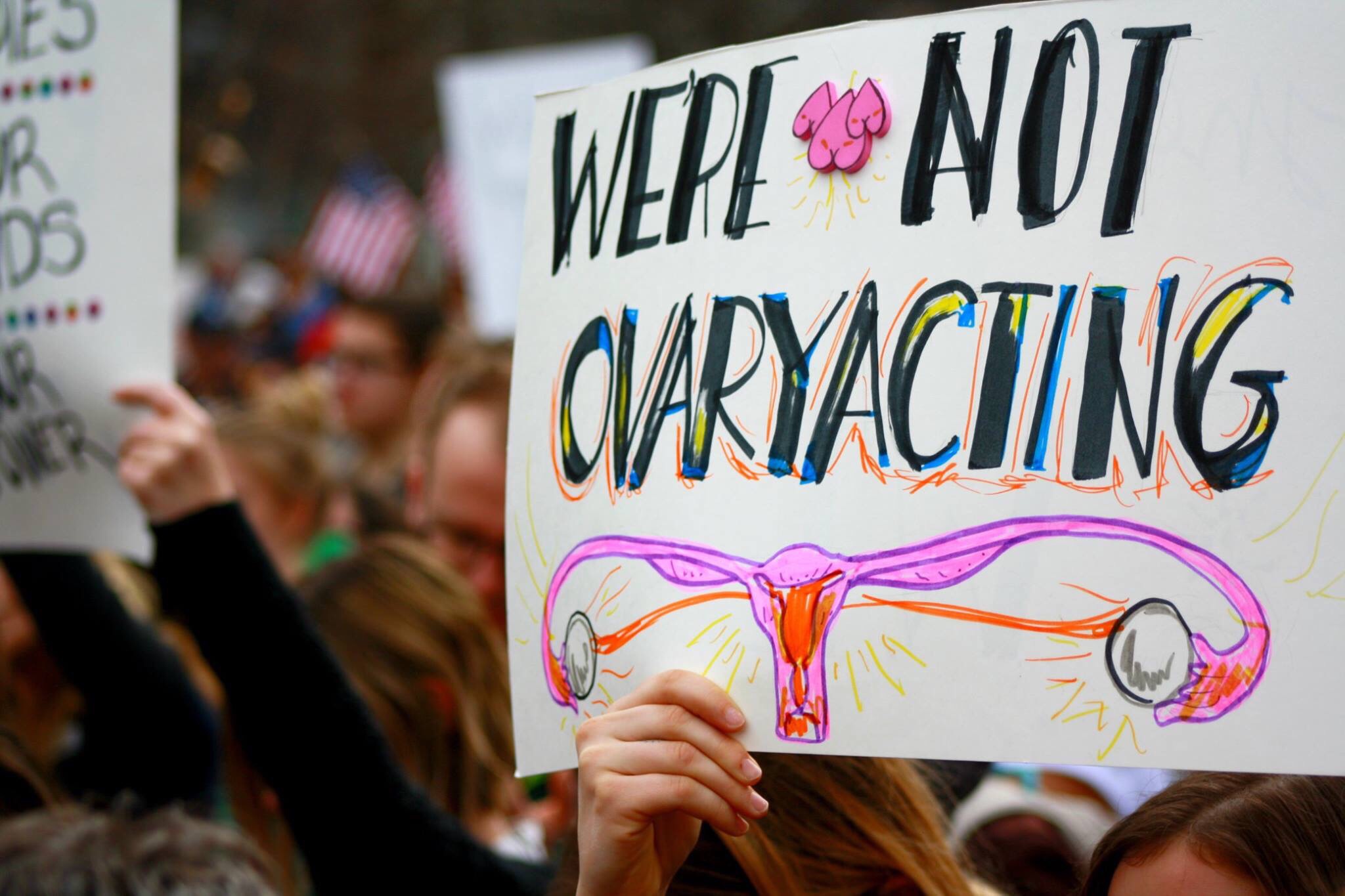
Although abortion attitudes are highly polarized between the two parties and the issue remains contentious, among Republicans, views vary depending on their political networks. Continue Reading →
Survey Reports



In the news

April 17, 2026
The Donald J. Trump Guide to Classic Fairy Tales

April 12, 2026
Is Masculinity in Crisis? These TV Shows Suggest Yes

April 1, 2026
Boys are Pulling Away. Mentorship Can Bring Them Back
March 31, 2026