
How Hispanic Americans Think About Work and Identity
Commentary November 18, 2022

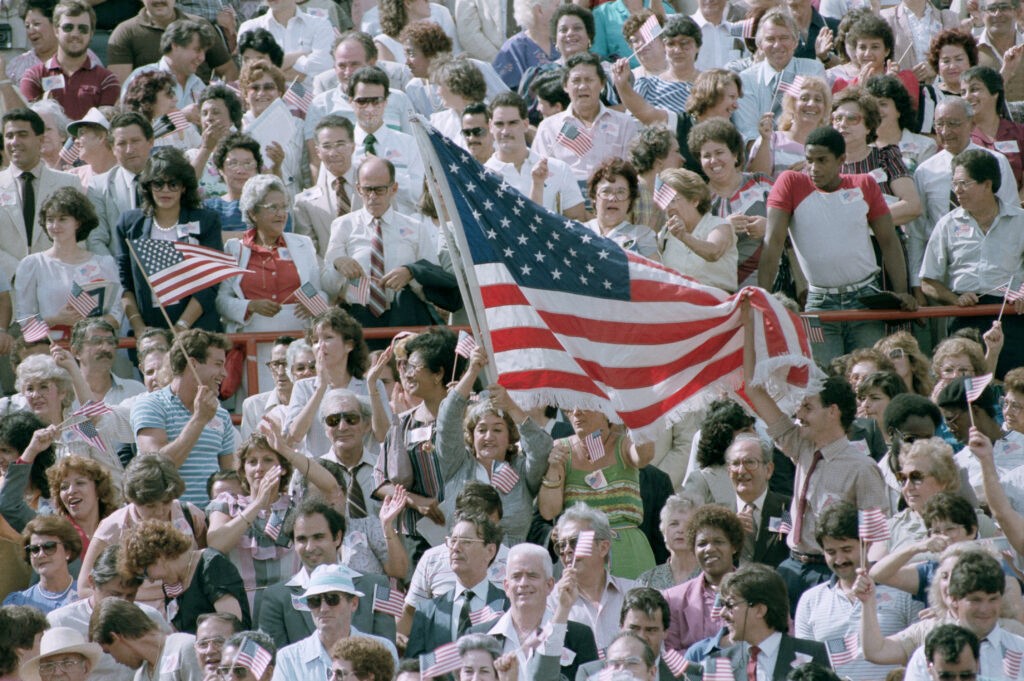
At Orange Bowl Stadium, immigrants demonstrate their patriotism during what could be the largest naturalization ceremony in American history. c. 1984 (GettyImages).

The Bulwark

If we want to understand the evolving role of Hispanic Americans in American culture and politics, one useful on-ramp is studying Hispanics in the workplace. In a recent AEI survey, Hispanics reported levels of job satisfaction, of a sense of being treated fairly, and of having good relationships with bosses and co-workers that were on par with white workers.

The survey also showed that Hispanic workers, again at levels comparable to white workers, report finding value in work in terms of job interests and skill development, as well as personal identity, meaning, and pride. And Hispanic workers are also considerably more likely than white, black, or Asian workers to report having a close friend at work.


Continue Reading on The Bulwark


Generation Uncoupled

Generation Uncoupled book

Generation Uncoupled: America's New Gender Divide and the Crisis of Human Connection

Buy Now

Survey Reports

Daniel A. Cox
July 23, 2026

A Digital Divide in American Adolescence: Gender, Class, and the New Teenage Experience

If teenage years once represented a time of rebellion, teenagers’ lives today are marked less by pushing boundaries and more by building their own. Many teenage experiences are less common than they once were—dating, working a part-time job, and experimenting with drugs and alcohol are less common experiences. The 2026 American Teenagers Survey from the

Daniel A. Cox, Jae Grace, Avery Shields
April 27, 2026

Strangers Next Door: The Decline of Neighborhood Socializing and the Class Divide in Belonging

Acknowledgment The American Enterprise Institute’s Survey Center on American Life is grateful to the John S. and James L. Knight Foundation for its generous support of this research. As Americans spend more of their time online, the neighborhood—once a primary physical location for real-world socialization—is playing less of a central role than ever before. Since