

Explore Dating Dealbreakers

When it comes to dating, Americans have strong views about the things that matter to them. In February 2023, we released From Swiping to Sexting: The Enduring Gender Divide in American Dating and Relationships exploring perspectives on relationships and dating experiences, such as being “ghosted,” as well as the qualities Americans most prize and wish to avoid in a potential partner.
The survey asked about 17 unique qualities and characteristics that are attractive or unattractive in a romantic partner. The list of attributes included behaviors such as smoking, being vegan, and political commitments, like supporting Donald Trump or identifying as a feminist.
Overall, women were more likely than men to identify various characteristics as a dating liability, but everyone cared about something. To explore which characteristics Americans view as the biggest dating dealbreakers and see who cares about which personal qualities, check out the interactive below.
What are Americans’ Dating Dealbreakers?
Select male or female and a demographic category below to see what traits Americans say would make them more likely to swipe left
Generation Uncoupled
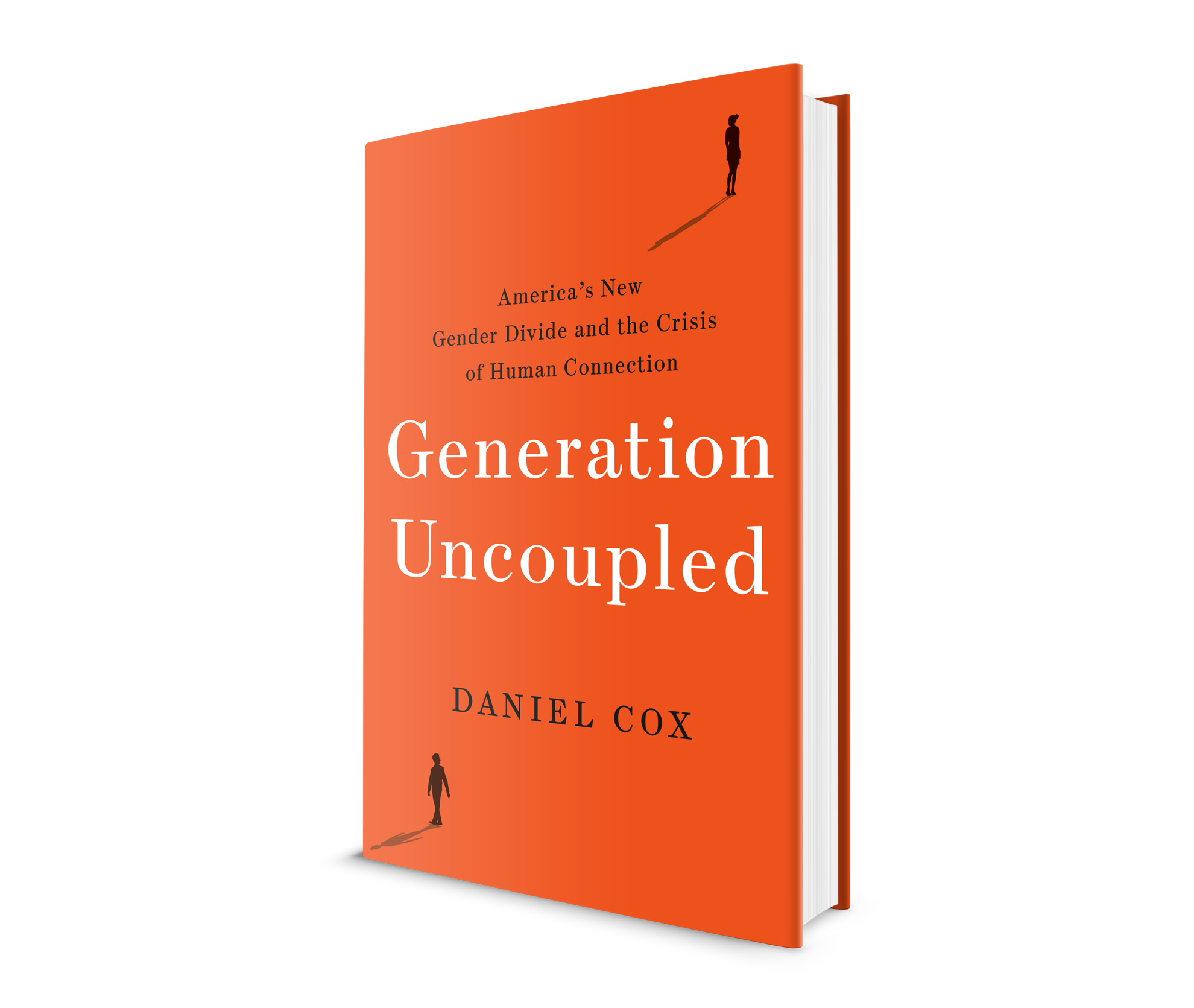
Generation Uncoupled: America's New Gender Divide and the Crisis of Human Connection
Buy NowSurvey Reports