

Does Marriage Make Us Happier?
Marriage is on the decline. That’s not breaking news, but a new report from the Pew Research Center sheds new light on the magnitude of the drop. In nearly three decades, the number of Americans between the ages of 25 and 54 who are married dropped from over two-thirds to roughly half. Four in 10 (38 percent) of this age group are now living “unpartnered” according to Pew’s analysis of the American Community Survey. But it’s not just fewer people getting married – we’re also spending less of our lives being married. People are marrying later, and staying married for a shorter amount of time.
This trend has generated considerable concern. The list of purported advantages of marriage is long. A heap of academic work suggests that marriage reduces loneliness, improves mental health, provides greater financial stability, and increases longevity. What’s more, Brad Wilcox, the Director of the Institute for Family Studies, says the happiness gap between married and unmarried people is growing larger.
But things might not be quite so dire.
Continue reading on American Storylines
Generation Uncoupled
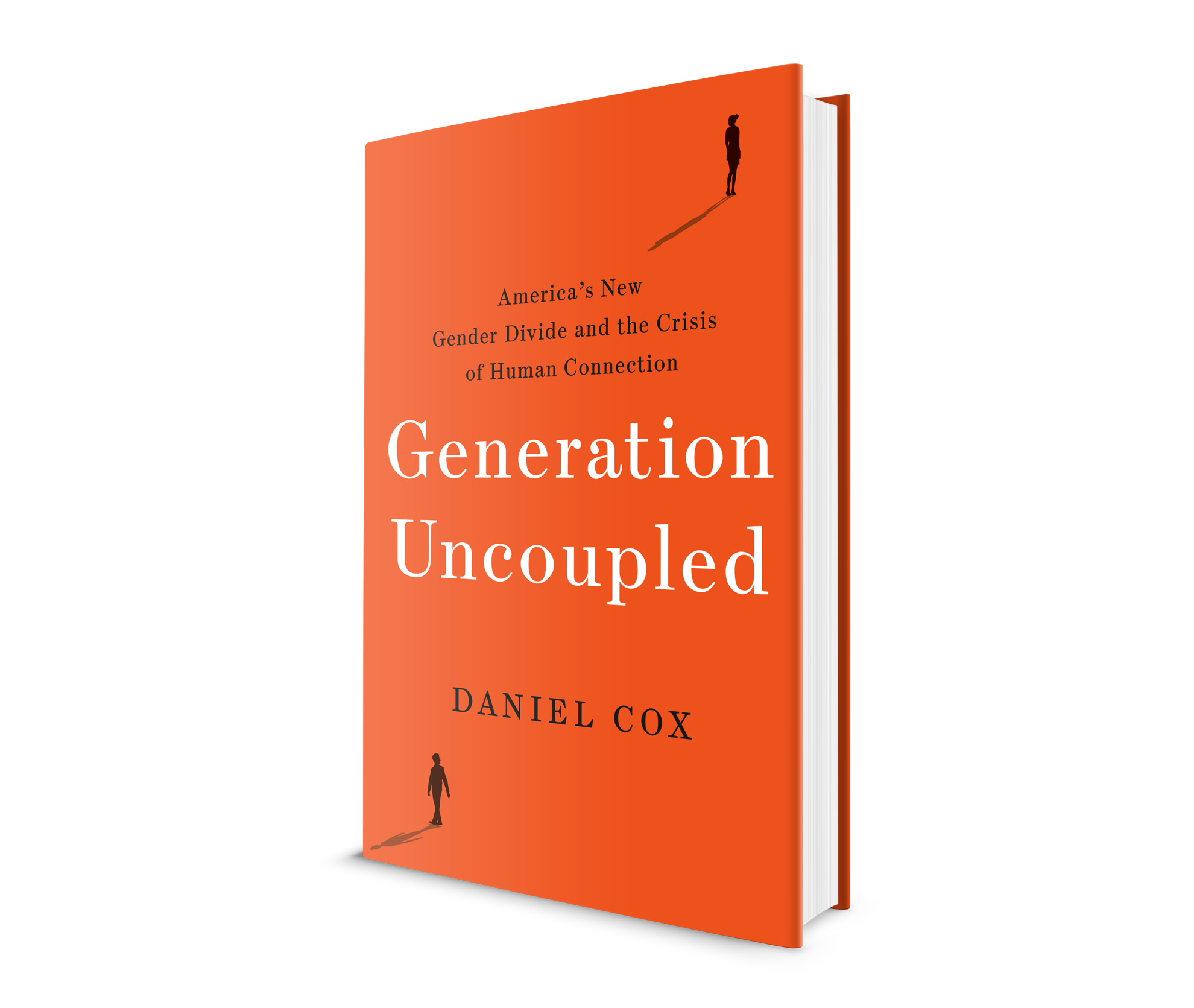
Generation Uncoupled: America's New Gender Divide and the Crisis of Human Connection
Buy NowSurvey Reports