
My Favorite Findings From 2022

Newsletter December 29, 2022

A series of colorful artistic renderings of charts and graphs laid out in a grid pattern on a white backdrop with the words "Top Findings 2022" superimposed on a grey text box.

What our top charts and figures say about the country’s future

We’re days away from 2023, but before closing the book on 2022 I want to take a moment to reflect on what we’ve learned this year. Selecting just five charts to highlight a full year’s worth of work is extraordinarily difficult and inherently subjective. The following charts are not necessarily ones that attracted an inordinate amount of attention, were uniquely provocative, or are even all that surprising. In reviewing the 100+ charts and figures we produced in 2022, I was guided more by what these findings say about the country’s future. So, without further ado, here are my favorite findings from 2022. 

#1 Abortion Supercharged Young Female Voters in 2022 


Continue Reading on American Storylines


Generation Uncoupled

Generation Uncoupled book

Generation Uncoupled: America's New Gender Divide and the Crisis of Human Connection

Buy Now

Survey Reports

Daniel A. Cox
July 23, 2026

A Digital Divide in American Adolescence: Gender, Class, and the New Teenage Experience

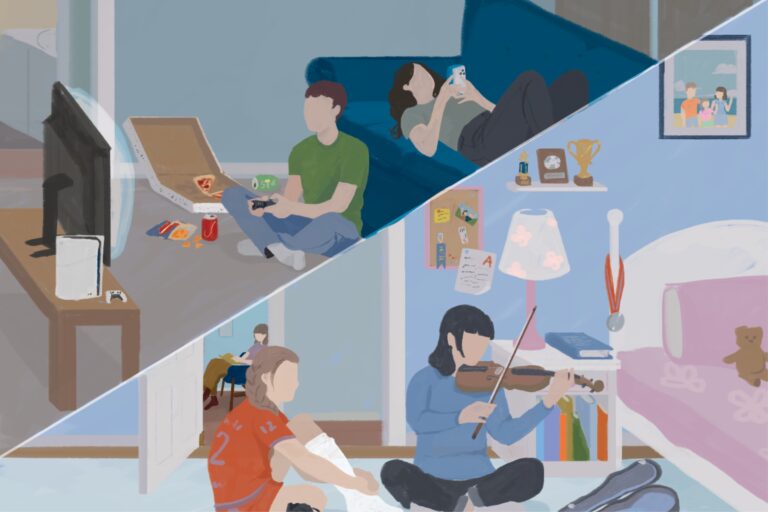
If teenage years once represented a time of rebellion, teenagers’ lives today are marked less by pushing boundaries and more by building their own. Many teenage experiences are less common than they once were—dating, working a part-time job, and experimenting with drugs and alcohol are less common experiences. The 2026 American Teenagers Survey from the

Daniel A. Cox, Jae Grace, Avery Shields
April 27, 2026

Strangers Next Door: The Decline of Neighborhood Socializing and the Class Divide in Belonging

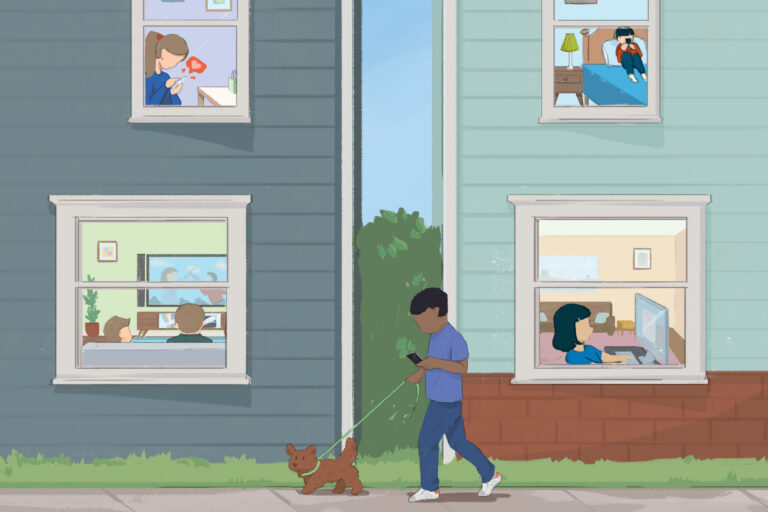
Acknowledgment The American Enterprise Institute’s Survey Center on American Life is grateful to the John S. and James L. Knight Foundation for its generous support of this research. As Americans spend more of their time online, the neighborhood—once a primary physical location for real-world socialization—is playing less of a central role than ever before. Since