
The Politics of Happiness

Newsletter October 20, 2022

Are Conservatives Really Happier than Liberals?

A rendition of the side profiles of two faces opposite each other, one is red and one is blue

Are Conservatives Really Happier than Liberals?

At first glance, the data seem unambiguous. Yes, conservatives report feeling happier than liberals. It’s not just happiness either. Conservatives are more satisfied than liberals when it comes to their personal lives, employment situations, the number of friends they have, and their spousal relationships. (But not their sex lives, interestingly.) Conservatives also report feeling lonely less often.

So, what are we to make of this? First, I should note that none of these differences are huge. The liberal-conservative gap on most measures of satisfaction is no more than ten points. Meaningful, but in most other ways the differences between liberals and conservatives are far greater.


Continue Reading on American Storylines


Generation Uncoupled

Generation Uncoupled book

Generation Uncoupled: America's New Gender Divide and the Crisis of Human Connection

Buy Now

Survey Reports

Daniel A. Cox
July 23, 2026

A Digital Divide in American Adolescence: Gender, Class, and the New Teenage Experience

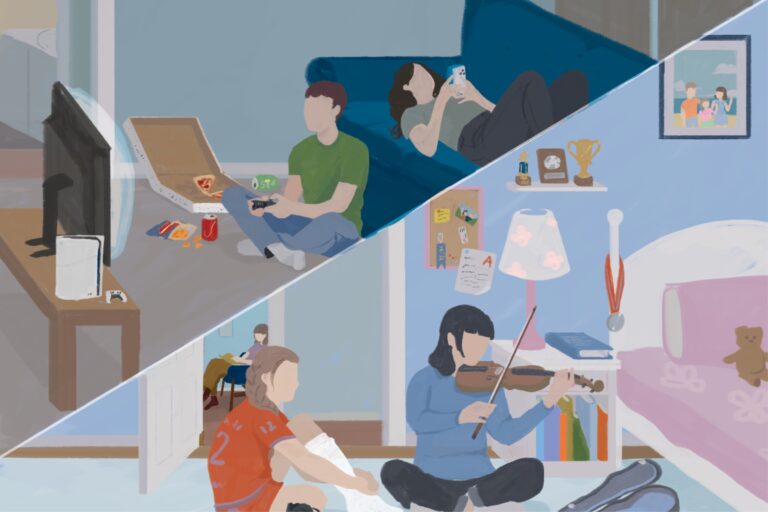
If teenage years once represented a time of rebellion, teenagers’ lives today are marked less by pushing boundaries and more by building their own. Many teenage experiences are less common than they once were—dating, working a part-time job, and experimenting with drugs and alcohol are less common experiences. The 2026 American Teenagers Survey from the

Daniel A. Cox, Jae Grace, Avery Shields
April 27, 2026

Strangers Next Door: The Decline of Neighborhood Socializing and the Class Divide in Belonging

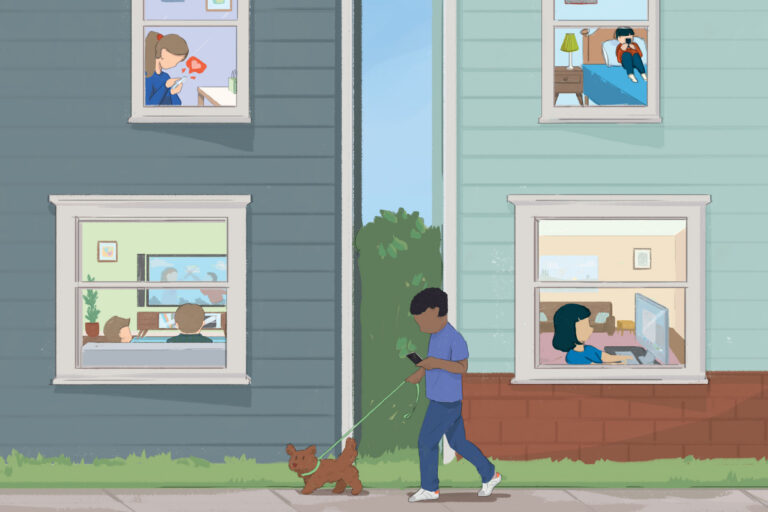
Acknowledgment The American Enterprise Institute’s Survey Center on American Life is grateful to the John S. and James L. Knight Foundation for its generous support of this research. As Americans spend more of their time online, the neighborhood—once a primary physical location for real-world socialization—is playing less of a central role than ever before. Since