
Why Increasing COVID-19 Fatalities May Not Sway the Unvaccinated
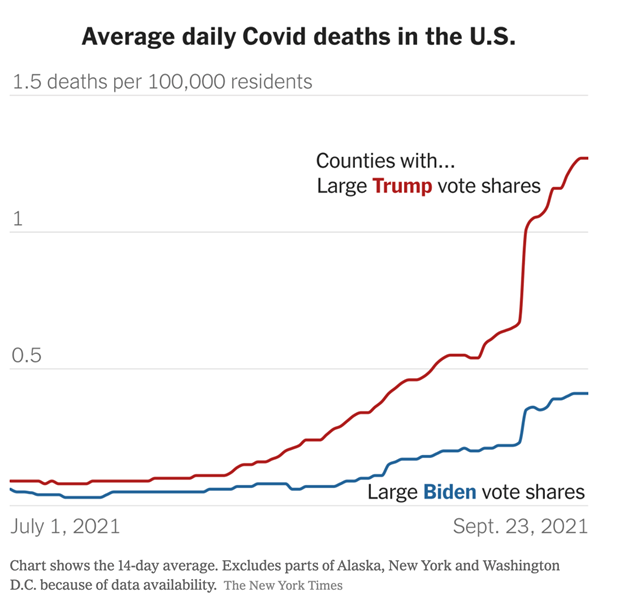
With nearly 700,000 Americans now dead from COVID-19, the US has reached yet another grim milestone. One in five hundred Americans have died from COVID-19. Unvaccinated Americans are suffering the vast majority of serious illnesses and deaths—in fact they are 11 times more likely to die from a COVID-19 infection. And it begs the question: As the unvaccinated see their friends and family members succumb to the disease, will it finally convince them to get vaccinated?
So far, the answer seems to be no. An Ipsos survey from early September shows that 39 percent of Americans know someone who died from COVID-19. But vaccination rates among Americans who know someone who died are only marginally higher than the rates among those who do not. What’s more, if you take education and political affiliation into account, knowing someone who has died from COVID-19 has no significant impact on the likelihood of being vaccinated.
Continue reading on American Storylines
Generation Uncoupled
Generation Uncoupled: America's New Gender Divide and the Crisis of Human Connection
Buy NowSurvey Reports