
Yes, You Should Talk Politics with Your Family Over Thanksgiving

Every year, the specter of political discord looms over the holidays. But despite the widespread attention it garners, few Americans report fighting over politics at the dinner table. This year, most of us are seeking to strenuously avoid political topics at family get-togethers. This is a mistake. Americans are likely tired of talking about politics. But we should. In fact, we should talk about politics a lot more than we do.
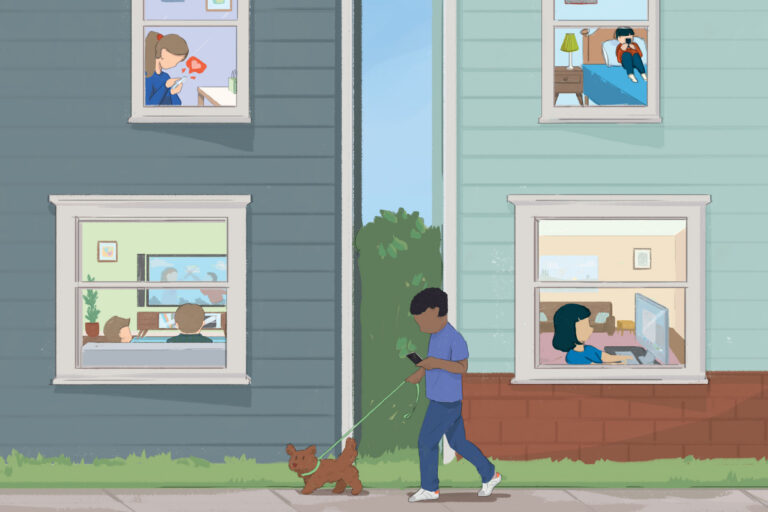
Our problem is not that we have become too obsessed with politics. Rather, it’s who we choose to discuss politics with that is the problem. Too many of us only talk politics with people who think as we do. I wrote about this phenomenon last year, suggesting that “Democrats And Republicans Should Argue More – Not Less.” Today, more than half of Democrats and Republicans have no close connection to someone with different political views. As a result, we trust each other less, hate each other more, and are wildly misinformed about what the other side actually thinks.
Continue reading on American Storylines
Generation Uncoupled

Generation Uncoupled: America's New Gender Divide and the Crisis of Human Connection
Buy NowSurvey Reports