

A young woman wrapped in a blanket stares pensively out the window.

April 4, 2022

The Childhood Loneliness of Generation Z

There’s a growing concern that young adults today are experiencing an epidemic of loneliness, social isolation, and disconnection. A lot of blame is being placed on social media, or more recently the pandemic. Delayed family formation is another likely factor—young adults are marrying later than they once did. But what if Gen Z is lonelier Continue Reading →

Photo of U.S. President Joseph R. Biden

May 5, 2021

Biden’s Push For Big Government Solutions is Popular Now — But it Could Backfire

In the wake of a once-in-a-generation pandemic that has required sustained national intervention and leadership, Americans may be coming around to the benefits of big government. Continue Reading →

January 8, 2021

Older Americans Support Getting Vaccinated Regardless of Their Politics or the Perceived Threat of COVID-19

As the US ramps up vaccinations, political identity is important in predicting the behavior of younger Americans. Continue Reading →

Generation Uncoupled

Generation Uncoupled book

Generation Uncoupled: America's New Gender Divide and the Crisis of Human Connection

Buy Now

Survey Reports

Daniel A. Cox
July 23, 2026

A Digital Divide in American Adolescence: Gender, Class, and the New Teenage Experience

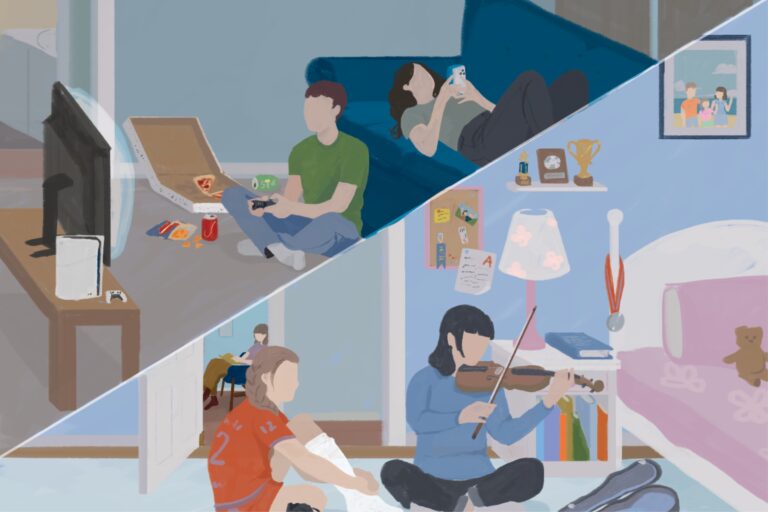
If teenage years once represented a time of rebellion, teenagers’ lives today are marked less by pushing boundaries and more by building their own. Many teenage experiences are less common than they once were—dating, working a part-time job, and experimenting with drugs and alcohol are less common experiences. The 2026 American Teenagers Survey from the Continue Reading →

Daniel A. Cox, Jae Grace, Avery Shields
April 27, 2026

Strangers Next Door: The Decline of Neighborhood Socializing and the Class Divide in Belonging

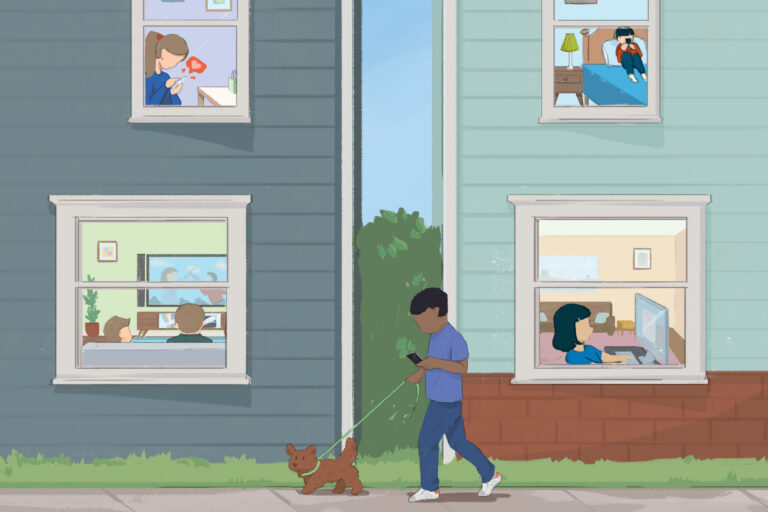
Acknowledgment The American Enterprise Institute’s Survey Center on American Life is grateful to the John S. and James L. Knight Foundation for its generous support of this research. As Americans spend more of their time online, the neighborhood—once a primary physical location for real-world socialization—is playing less of a central role than ever before. Since Continue Reading →