

March 4, 2021
Social Isolation and Community Disconnection are Not Spurring Conspiracy Theories
Findings from the January 2021 American Perspectives Survey
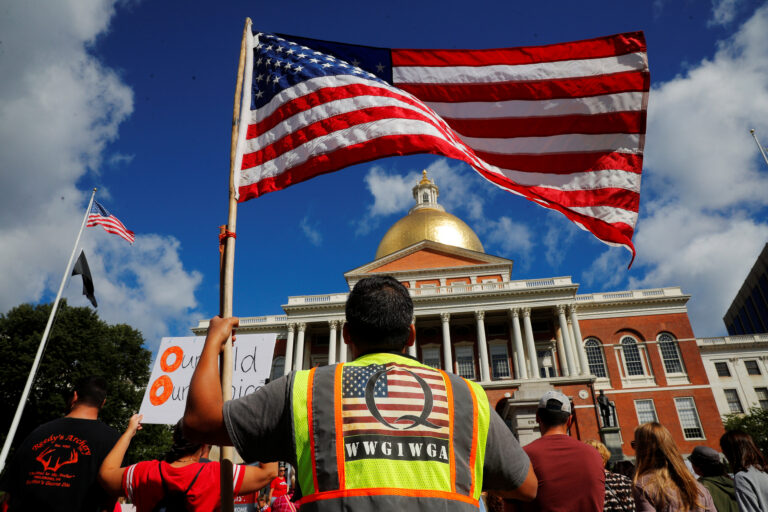
After the 2020 presidential election, a new survey finds acute partisan disagreement over whether President Biden was legitimately elected and whether political violence can ever be justified. Although most Americans believe the 2020 election was a fair contest, most Republicans disagree and express concerns about voter fraud. Republicans are more likely to embrace political conspiracies, including the existence of a “Deep State” working to thwart Donald Trump’s presidency and the Q-Anon conspiracy that Trump is fighting a cabal of sex traffickers. Continue Reading →

February 26, 2021
When it Comes to Conspiracy Theories, Education Matters
Educational attainment is closely associated with belief in conspiracy theories. However, education appears to matter more for Republicans than Democrats. Continue Reading →
October 26, 2020
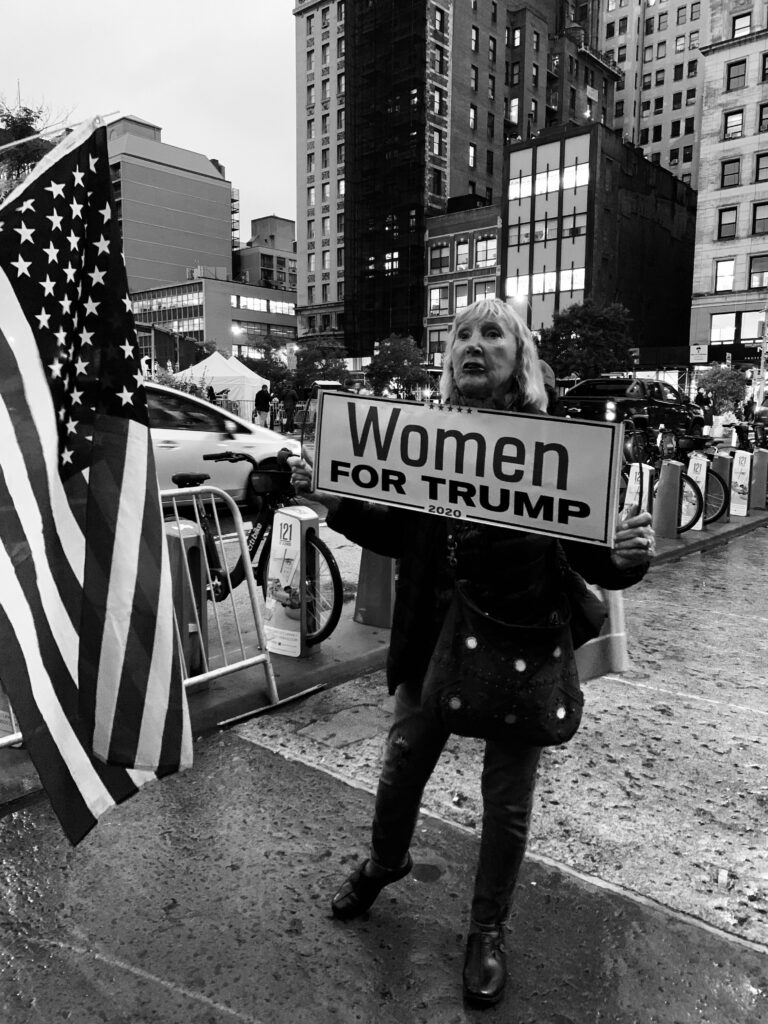
What’s Going on with Republican Women?
Their radicalization, Trumpism, and the rise of ‘pastel QAnon.’
It is easy to discount QAnon—but the reality is it is quickly emerging from the shadows into a full-blown political movement that periodically receives the passive, and at times, active support of the president of the United States. Continue Reading →
Generation Uncoupled
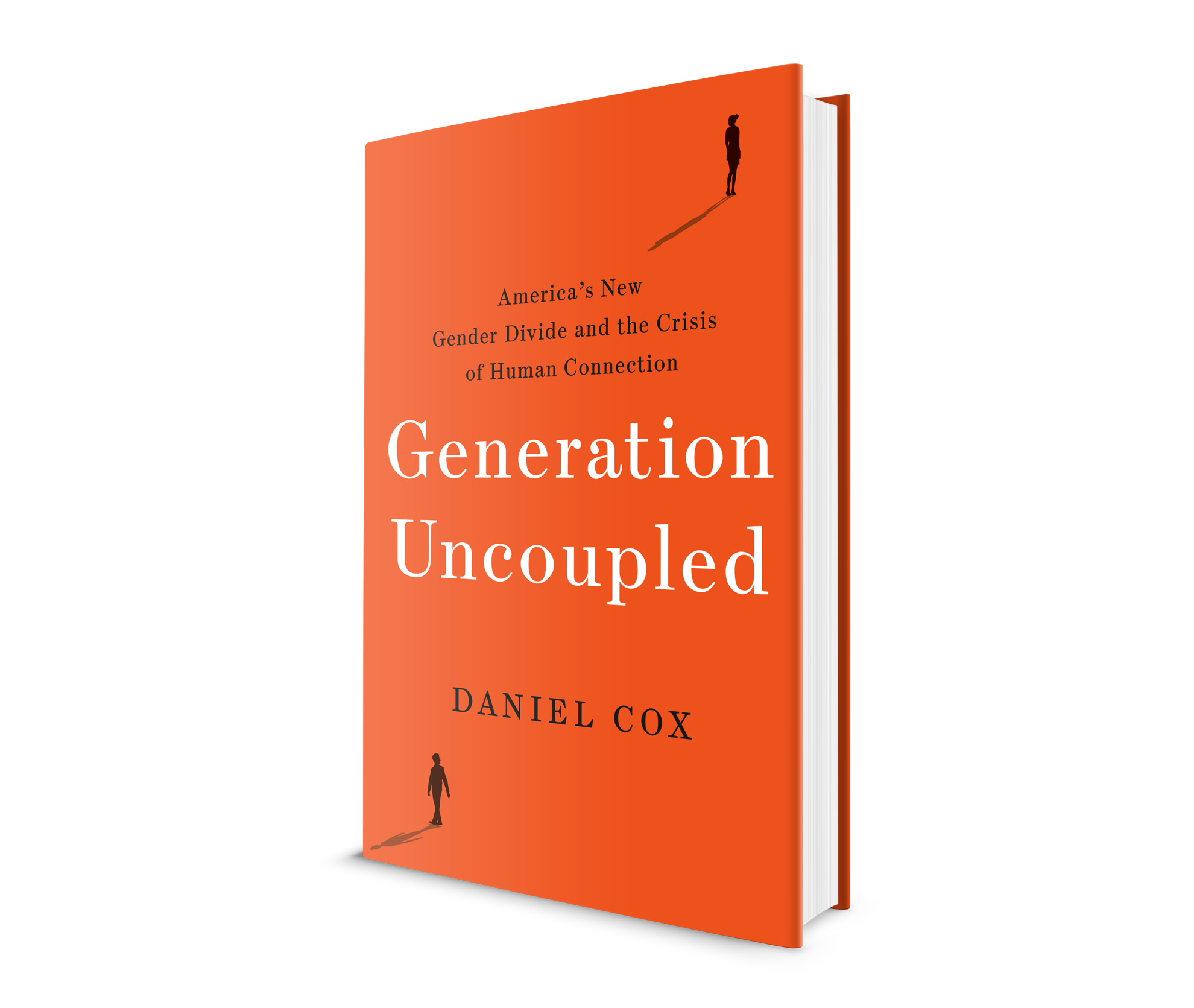
Generation Uncoupled: America's New Gender Divide and the Crisis of Human Connection
Buy NowSurvey Reports