

October 19, 2026
For Gen Z, an awkward moment can live forever
Ask Daniel Cox what’s happening with older teens and young adults in the U.S. and he’ll tell you that the real story is what’s not happening. They’re not dating, going to parties or hanging out with friends. Nor are they routinely working a part-time job or embracing a faith community. And these young people are Continue Reading →
October 13, 2026
Gen Z thinks they’re so special, they can’t even deal with romantic relationships
Cox, who is director of the Survey Center on American Life, has a treasure trove of data to back up his point, and the surveys make clear that young people simply aren’t prioritizing relationships and partnership as previous generations once did. Continue Reading →
September 30, 2026
‘Attention Infidelity’ Is Ruining Romance
Mine is not a new fear, and I realize it is born out of a kind of nostalgia. From the pollster and public opinion researcher Daniel Cox’s forthcoming book, “Generation Uncoupled: America’s New Gender Divide and the Crisis of Human Connection,” I learned a new term: “attention infidelity.” Cox defines it in a somewhat unusual Continue Reading →
Generation Uncoupled
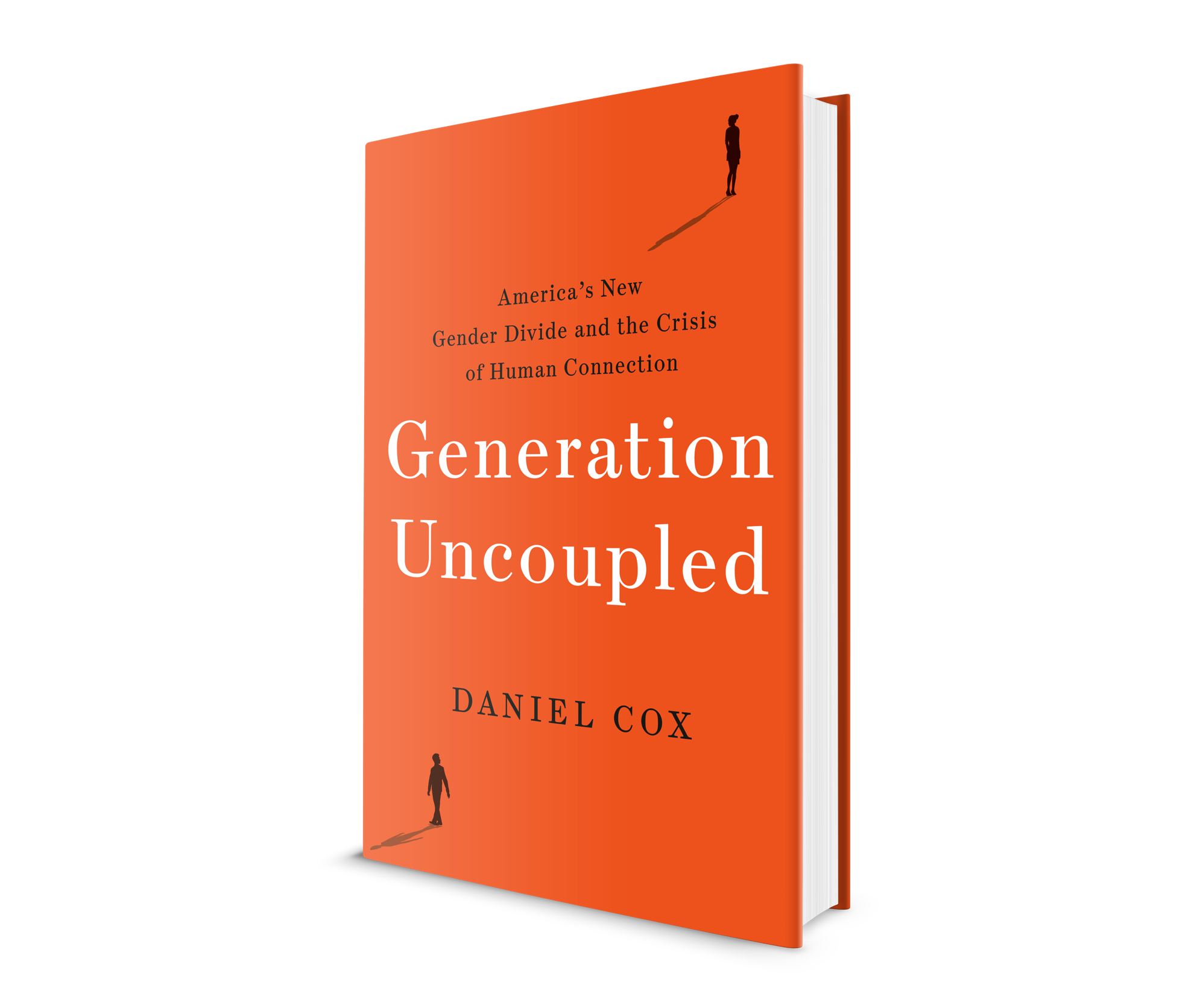
Generation Uncoupled: America's New Gender Divide and the Crisis of Human Connection
Buy NowSurvey Reports