
Blog March 22, 2021
Most Asian Americans Believe Their Community Experiences a lot of discrimination in the US
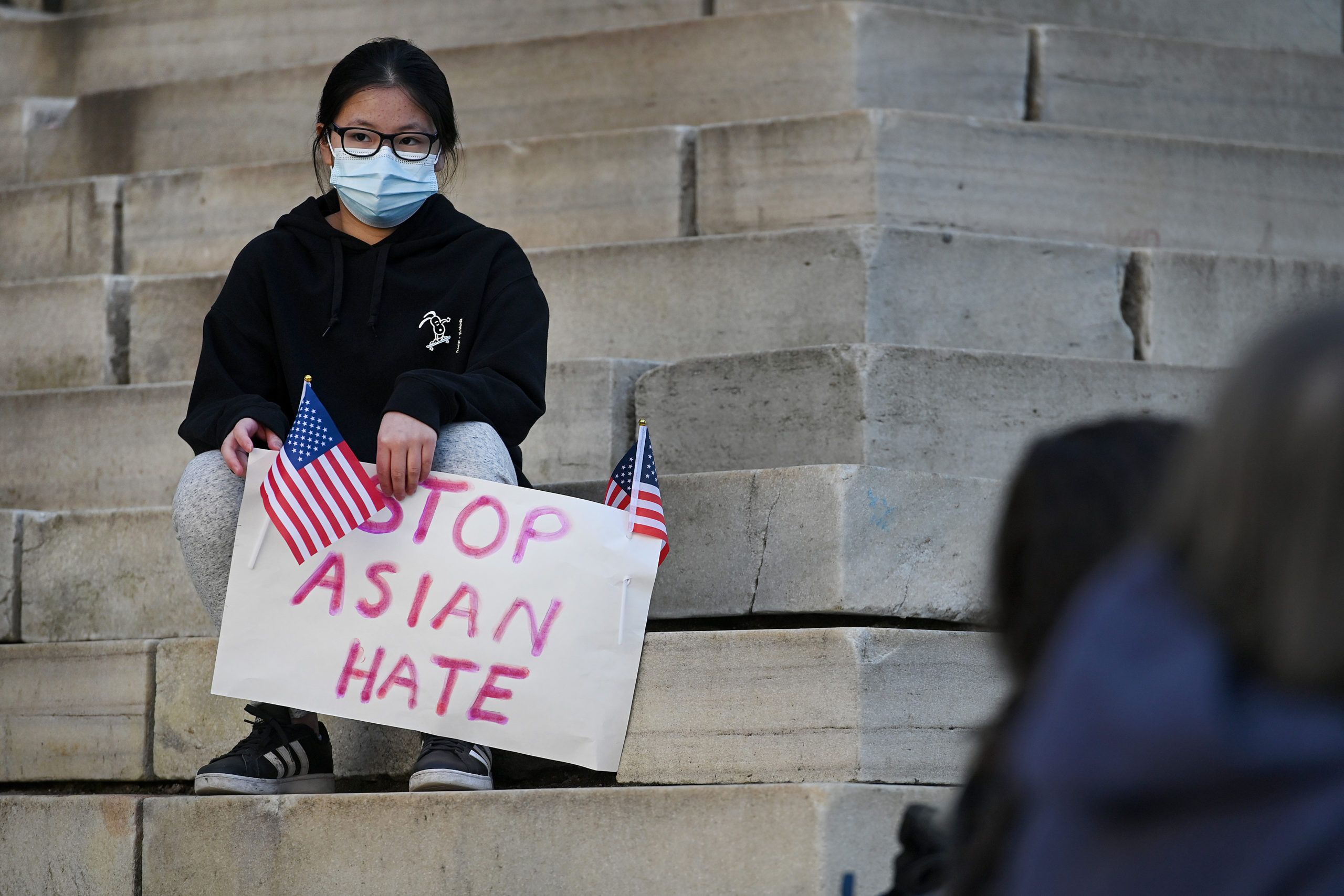
In the early days of the COVID-19 pandemic news reports began documenting an uptick in violence and harassment against Asian Americans. Nearly a year later, the organization Stop AAPI Hate published a report documenting nearly 3,800 cases of hate crimes against Asian Americans over the previous 12 months. Data from California State University’s Center for the Study of Hate and Extremism shows a 150 percent increase in hate crimes targeting Asians across major US cities between 2019 and 2020. On March 16, eight people—including six women of Asian descent—were murdered in the apparent targeting of Asian massage parlors.
This disturbing trend is no surprise to Americans who identify as Asian or Pacific Islander. According to the American National Social Network Survey conducted in the summer of 2020, nearly three-quarters of Americans who identify as Asian American or Pacific Islander (AAPI) believe their community experiences a lot of discrimination in the US. But this view is not universally shared by their fellow citizens. Only half of Americans believe that Asian people experience a lot of discrimination in US society. Much larger majorities of the public say Hispanic (66 percent) and black (71 percent) people face a lot of discrimination in the US.
Views of discrimination against Asian Americans vary among racial and ethnic groups. Even though Hispanic and black Americans believe their own communities experience a considerable degree of discrimination, they are far less likely to believe Asian Americans experience the same. Fifty-nine percent of black and 56 percent of Hispanic Americans believe Asians face a lot discrimination in the US. But when it comes to views of discrimination against their own race, the AAPI community is much more likely to say Asian people face a lot of discrimination today, with 73 percent saying so. Black and Hispanic Americans overall are more likely to believe their racial or ethnic group face a great amount of discrimination. Ninety-four percent of black Americans say black people face a lot of discrimination in the US and 79 percent of Hispanics say the same about Hispanic people.
White Americans in particular are less likely to say Asian Americans experience discrimination than Hispanic and black Americans. A majority of white Americans believe black (63) and Hispanic (58) people experience a great deal of discrimination, while fewer than half (44 percent) of white Americans say the same about Americans who identify as Asian.
The rising tide of violence against Asian Americans during the COVID-19 pandemic has brought renewed attention to Asian Americans’ experiences of discrimination in the US. Often thought to experience less discrimination as a “model minority,” the survey shows that Asian Americans do not view their experiences in the same way.
Acknowledgements: The authors would like to thank Beatrice Lee for her research assistance and support with the design of the figures.
Survey Reports




In the news

March 21, 2026
Why Some Men Struggle to Keep Up With Friendships
March 20, 2026
What We Lost When We Lost Rom-Coms
March 19, 2026
