
America’s Coming Religious Divide

Newsletter January 12, 2023


Artist rendition of numerous persons standing in the shape of the United States with a rift through the center just west of where the Mississippi River would lie.

The most important trend in American religion can be summarized in just two words: steady and uneven. For nearly the past three decades, national surveys have shown a consistent drop in religious affiliation, attendance, and even belief in God. At the same time, these same surveys show that this national decline varies dramatically by region, generation, and religious commitment. 

Americans are inarguably more secular than they once were, but large numbers of Americans remain as staunchly committed to their faith and religious communities as ever. We are becoming a country with dueling religious experiences and perspectives—we are very religious and very secular. 

How has this happened?


Continue Reading on American Storylines


Generation Uncoupled
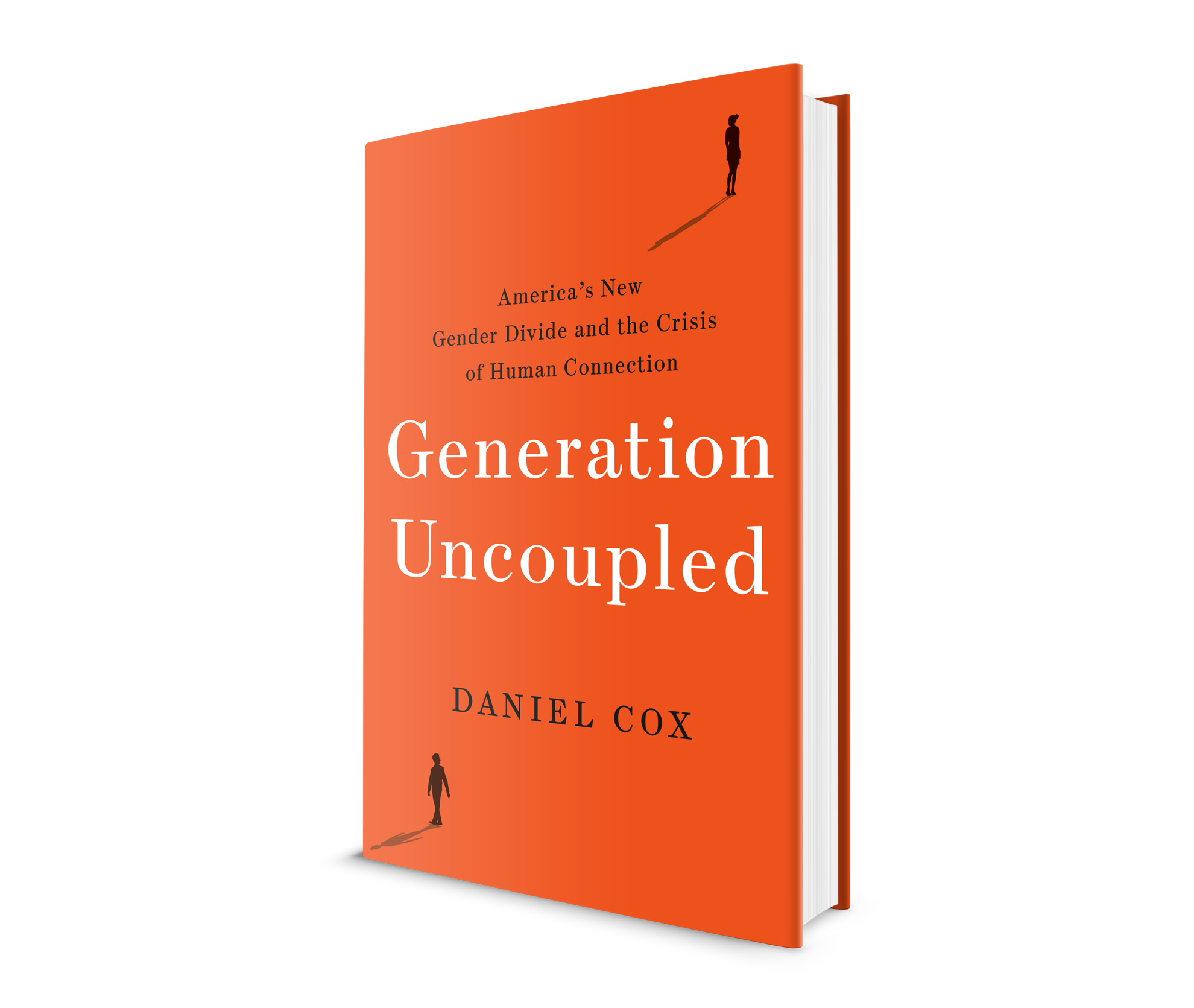
Generation Uncoupled book

Generation Uncoupled: America's New Gender Divide and the Crisis of Human Connection

Buy Now

Survey Reports

Daniel A. Cox
July 23, 2026

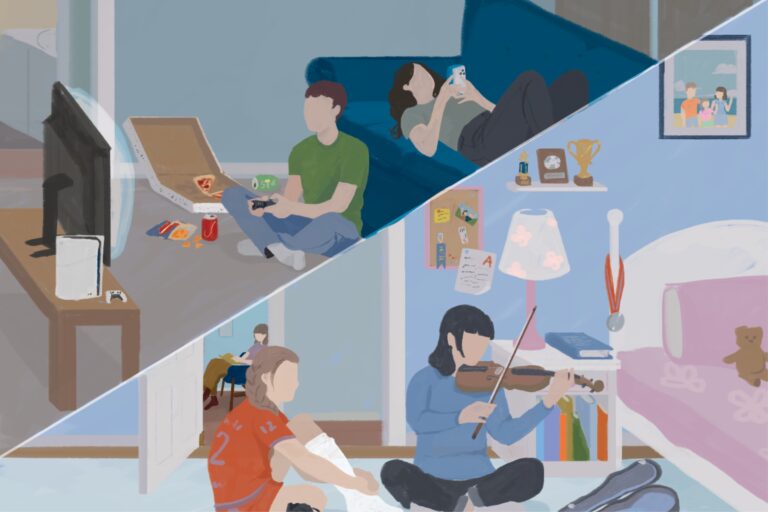
A Digital Divide in American Adolescence: Gender, Class, and the New Teenage Experience

If teenage years once represented a time of rebellion, teenagers’ lives today are marked less by pushing boundaries and more by building their own. Many teenage experiences are less common than they once were—dating, working a part-time job, and experimenting with drugs and alcohol are less common experiences. The 2026 American Teenagers Survey from the

Daniel A. Cox, Jae Grace, Avery Shields
April 27, 2026

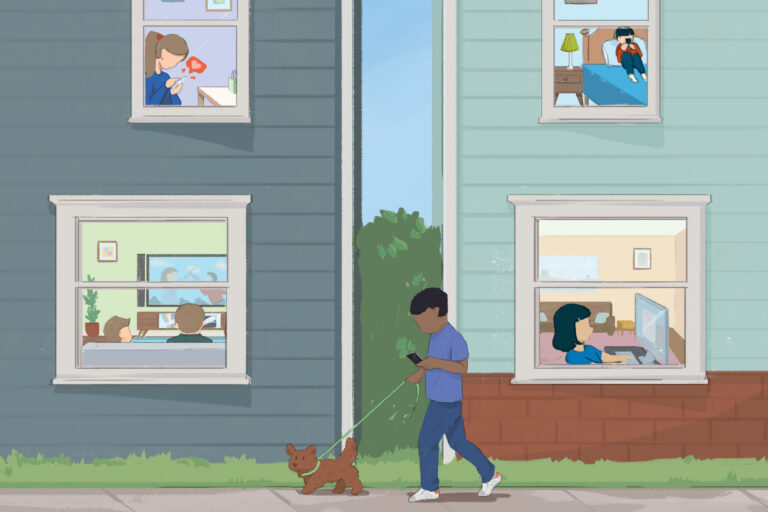
Strangers Next Door: The Decline of Neighborhood Socializing and the Class Divide in Belonging

Acknowledgment The American Enterprise Institute’s Survey Center on American Life is grateful to the John S. and James L. Knight Foundation for its generous support of this research. As Americans spend more of their time online, the neighborhood—once a primary physical location for real-world socialization—is playing less of a central role than ever before. Since