

May 19, 2021
Is America entering a new secular age?
This event occured on May 27th, 2021 at 1:00pm EST
Rapid growth of secular identities and beliefs in America is transforming the religious and political landscape. Join us to explore what this means for the future of American religion and politics. Continue Reading →
May 5, 2021
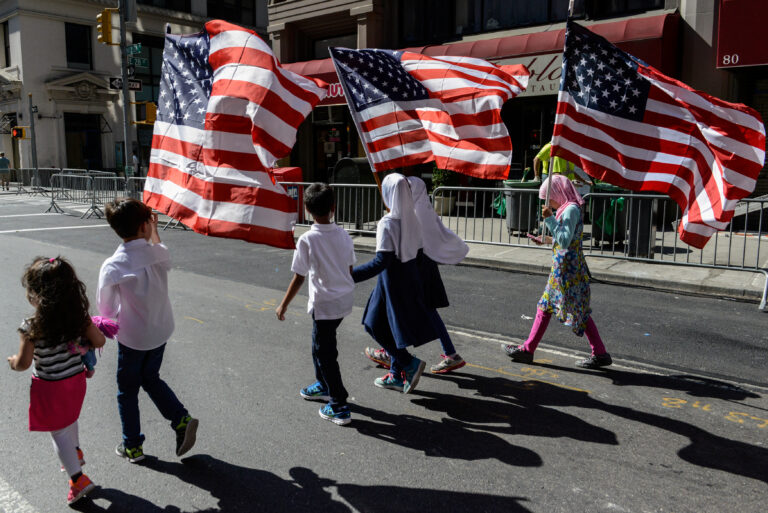
Did Americans Become More Accepting of Muslims During the Trump Years?
At a time of heightened racial tensions in the US and growing violence against Asian citizens, it is not clear why there would be a sudden surge in positive feeling towards Muslims. Continue Reading →

April 16, 2021
Some of My Best Friends
Despite growing diversity in the US, few Americans have close ties to members of minority religious and racial groups. Continue Reading →
February 12, 2021
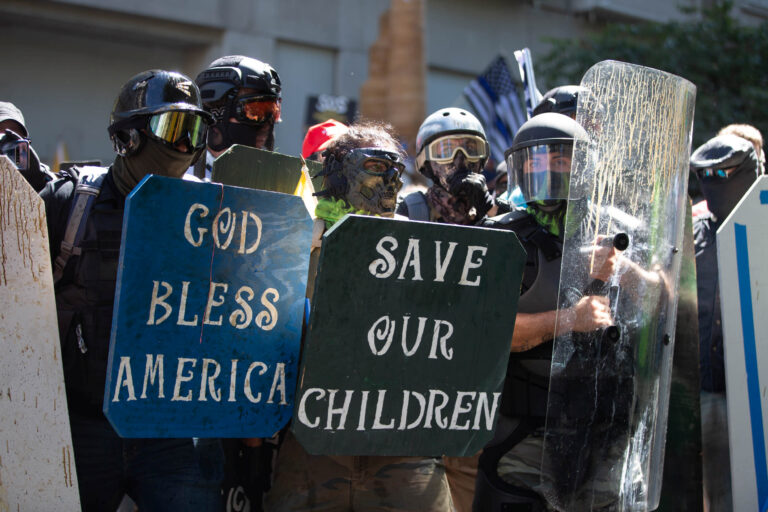
Rise of Conspiracies Reveals an Evangelical Divide in the GOP
Evangelical Christian Republicans are more likely to embrace conspiracy theories. One explanation? Their affinity to Trump. Continue Reading →

December 15, 2020
Religious Diversity and Change in American Social Networks: How Our Social Connections Shape Religious Beliefs and Behavior
Findings from the American National Social Network Survey
The American Social Network Survey uses a unique design to measure the race, educational background, politics, and religion of our social contacts. The results reveal that personal behavior and beliefs are socially constructed—what we know is influenced by who we know. Americans who have more politically diverse social networks express greater openness to compromise and are less bound to their own beliefs. Racial and ethnic diversity in Americans’ social networks makes one more sensitive to race issues. Continue Reading →

November 6, 2020
The 2020 Religion Vote
Religious voters lined up behind their preferred candidates in familiar ways in the 2020 presidential election, but there were some notable shifts. Continue Reading →
October 13, 2020
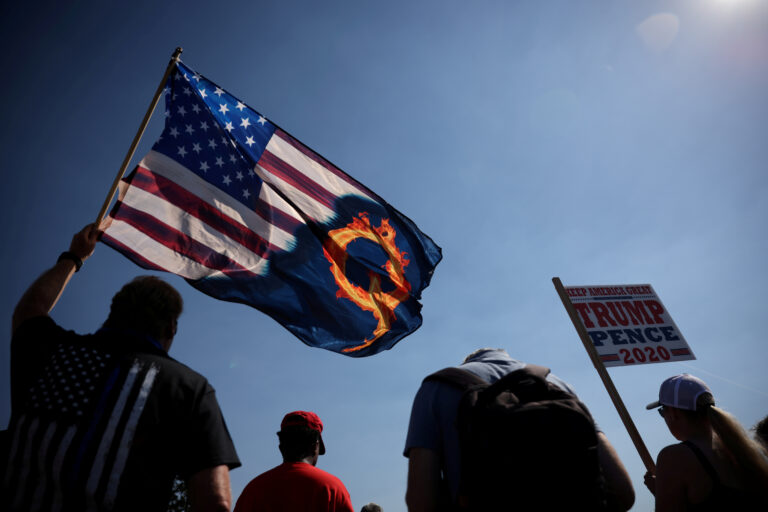
Conspiracy Theories, Misinformation, COVID-19, and the 2020 Election
Findings from the September 2020 American Perspectives Survey
The September 2020 American Perspectives Survey tests existing conspiracy theories about politics and misconceptions about public health, ideas, and whether demographic or partisan backgrounds are associated with greater propensity to accept or reject certain theories. Continue Reading →

April 2, 2020
Fear, Frustration, and Faith: Americans Respond to the Coronavirus Outbreak
Findings from the March 2020 American Perspectives Survey
The March 2020 American Perspectives Survey finds that young people are most likely to have hoarded supplies and reveals a large partisan divide in opinions on how the federal government and Donald Trump handled coronavirus. Continue Reading →

February 13, 2020
Younger Christians Care Less About Their Partner’s Religious Beliefs
Younger Christians are much more comfortable than older Christians with the idea of dating someone who does not share their views about God. Continue Reading →
January 7, 2020
Hidden Identity: When Americans Decide to Keep Their Religious Background to Themselves
For many Americans, religion is a fundamental part of who they are. But for many other Americans sharing religious beliefs with others is not as easy. Continue Reading →
Generation Uncoupled

Generation Uncoupled: America's New Gender Divide and the Crisis of Human Connection
Buy NowSurvey Reports