

How Young Women Saved the Democratic Party in 2022
Donald Trump and Dobbs are Defining the Politics of a New Generation of Women
Even with polls mostly showing a narrowly divided electorate, the fundamentals—Biden’s anemic job approval numbers, pessimism about the economy, and worries about inflation—suggested Democrats’ hopes for holding Congress were in trouble. Only twice in the past 40 years has the party controlling the White House not lost a significant number of seats in the midterm. Make that three.
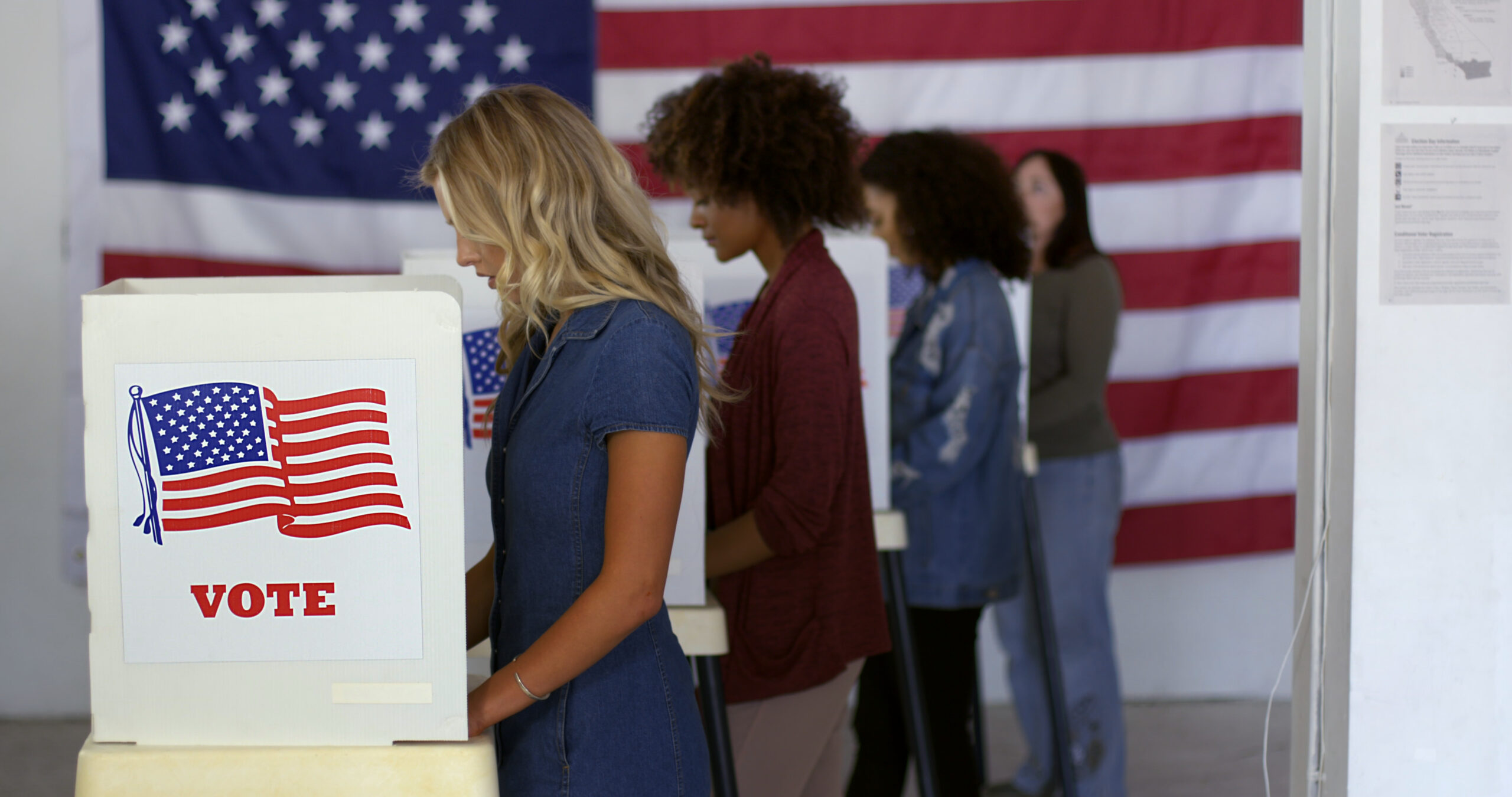
Pundits have offered various explanations for the Democrats’ surprisingly strong showing, such as Republican candidate quality and the Dobbs decision. I think that’s largely right, but it ignores the fact that these things were especially important to a certain type of voter: young women. There was lots of chatter about the youth vote in the lead-up to the 2022 election, but it was young women who appeared uniquely motivated this year and who contributed significantly to the Democrats’ surprising performance.
Continue Reading on American Storylines
Generation Uncoupled

Generation Uncoupled: America's New Gender Divide and the Crisis of Human Connection
Buy NowSurvey Reports