


BlogApril 4, 2022
The Childhood Loneliness of Generation Z
There’s a growing concern that young adults today are experiencing an epidemic of loneliness, social isolation, and disconnection. A lot of blame is being placed on social media, or more recently the pandemic. Delayed family formation is another likely factor—young adults are marrying later than they once did. But what if Gen Z is lonelier
Significant FiguresMarch 29, 2022
Religious Disaffiliation and Loneliness
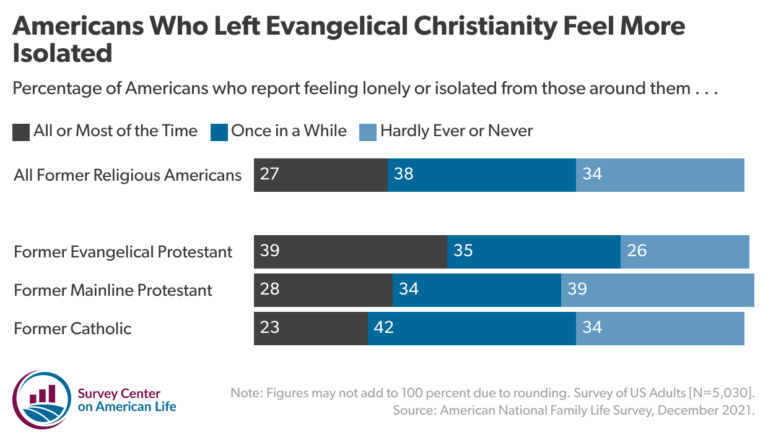
The act of leaving religion can be difficult. Americans who leave their childhood religion report more acute feelings of social isolation and disconnection. This is especially true for those who disaffiliate from more conservative faith traditions. Nearly four in 10 (39 percent) former evangelical Protestants report feeling lonely or isolated from those around them all

BlogMarch 14, 2022
Americans Are More Optimistic Than You Think
Groups facing prejudice in the country today are among the most optimistic about the nation's future.
Significant FiguresMarch 7, 2022
Generational Split on Success
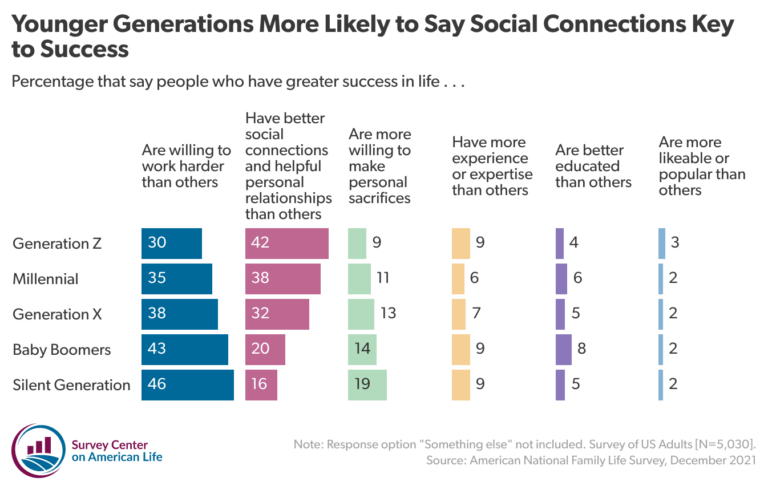
Is the illusion of meritocracy broken? A new study finds generational divides in views about what matters most for success. Older generations are far more likely to say work ethic plays a critical role in achieving success in life, while younger Americans are less likely to see it that way. Close to half of Americans

BlogMarch 1, 2022
Diversity and Disconnection
Americans who live in areas packed with neighborhood amenities tend to have a more diverse set of friends and acquaintances.
![Chart showing percentage of each group who grew up with siblings who say growing up, they had a [blank] relationship with their siblings](https://www.americansurveycenter.org/wp-content/uploads/2022/02/Bq3hH-majority-of-black-americans-report-very-close-childhood-sibling-relationships--768x410.png)
Significant FiguresFebruary 24, 2022
Race and Sibling Relations
Childhood experiences with your siblings have been shown to play an important formative role for young children. But not all Americans are equally close with their siblings. Black Americans in particular stand out for their strong childhood sibling relationships. A majority (53 percent) of Black Americans who grew up with siblings report they felt very

BlogFebruary 23, 2022
Polarization in American Family Life is Overblown
Throughout the 2020 election, stories of families and friendships ripped apart by political differences were featured regularly in the press. Many also argued that numerous Americans had become trapped in ideological echo chambers. These narratives all fed into the larger national polarization thesis which suggested Americans were deeply divided and ideologically sorted into narrow social

BlogFebruary 22, 2022
Crime, Policing, and the Racial Divide on the Left
In the wake of George Floyd’s death, “defund the police” became a rallying cry among many liberal activists. Even so, the movement never really caught on among the establishment wing of the Democratic party. Certainly, rising crime had something to do with this: The FBI found that the murder rate increased roughly 30 percent between

BlogFebruary 10, 2022
The Problem with Parental Favoritism
There is no shortage of advice for parents. The Internet is awash with parenting tips, tactics, and strategies to meet every conceivable exigency. But for all the varying recommendations provided to parents, perhaps one of the most critical is something to be avoided—picking favorites. A new survey suggests that parental favoritism, or even the perception
Significant FiguresFebruary 9, 2022
Few Gen Zers Grew Up Having Family Dinners
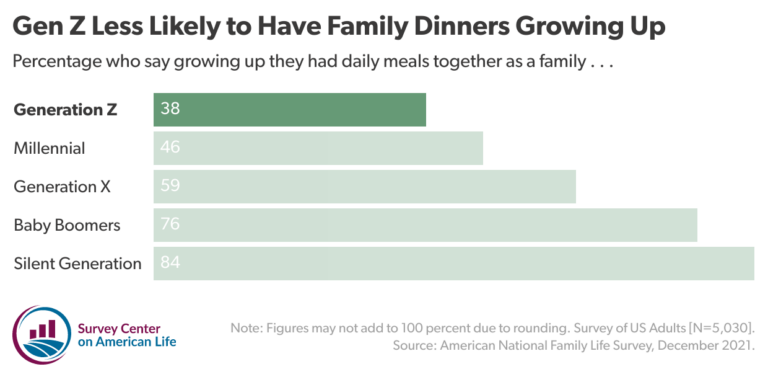
The family meal, once a regular part of American family life, has become a rarity. Americans who belong to Generation Z are far less likely to report having grown up sharing daily meals with their family than other Americans. Less than half of Gen Zers (38 percent) and Millennials (46 percent) say that their family