
Aging in the Pews 

Featured Data December 22, 2022

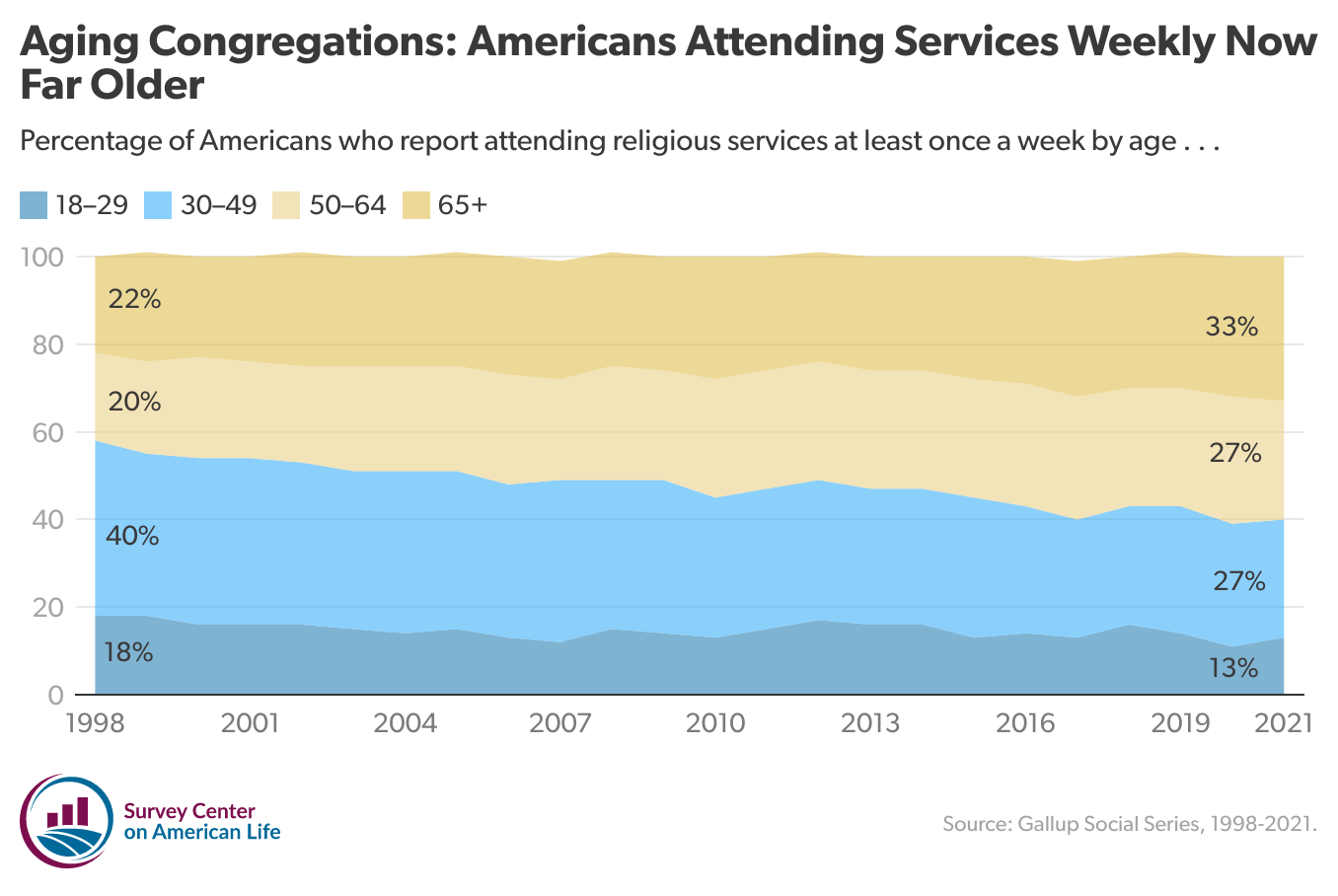
An area chart showing percentage of Americans who report attending religious services at least once a week by age from the years 1998 to 2021.

That churches and places of worship have struggled to attract and retain young worshipers is no secret. But new research finds that the most active congregants have gotten far older over the past two decades. In 1998, nearly six in ten (58 percent) Americans who attended religious services at least once week were under the age of 50. By 2021, regular worshipers were far older—only 43 percent were under the age of 50. The majority were at least 50 years old and one in three were retirement age (65 years old or older). The growing generational divide in America’s churches and places of worships presents all sorts of challenges to churches, not least their capacity to navigate to sensitive cultural questions, such as sexuality and sexual identity. It also risks putting these churches further out of step with the general public on issues, like same-sex marriage

Generation Uncoupled

Generation Uncoupled book

Generation Uncoupled: America's New Gender Divide and the Crisis of Human Connection

Buy Now

Survey Reports

Daniel A. Cox
July 23, 2026

A Digital Divide in American Adolescence: Gender, Class, and the New Teenage Experience

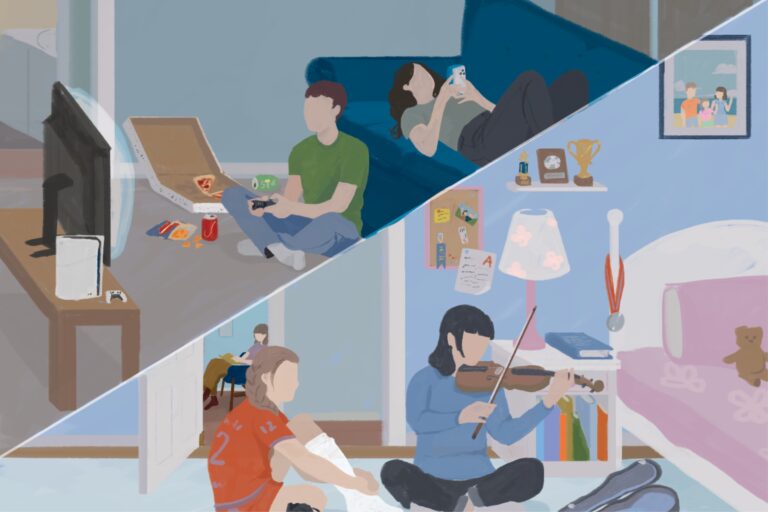
If teenage years once represented a time of rebellion, teenagers’ lives today are marked less by pushing boundaries and more by building their own. Many teenage experiences are less common than they once were—dating, working a part-time job, and experimenting with drugs and alcohol are less common experiences. The 2026 American Teenagers Survey from the

Daniel A. Cox, Jae Grace, Avery Shields
April 27, 2026

Strangers Next Door: The Decline of Neighborhood Socializing and the Class Divide in Belonging

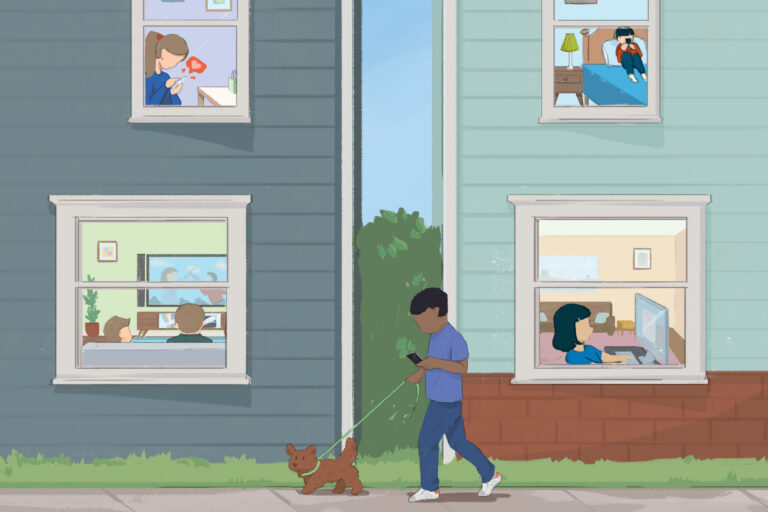
Acknowledgment The American Enterprise Institute’s Survey Center on American Life is grateful to the John S. and James L. Knight Foundation for its generous support of this research. As Americans spend more of their time online, the neighborhood—once a primary physical location for real-world socialization—is playing less of a central role than ever before. Since