
A Growing Gender Divide Among Young Voters
Featured Data November 18, 2022

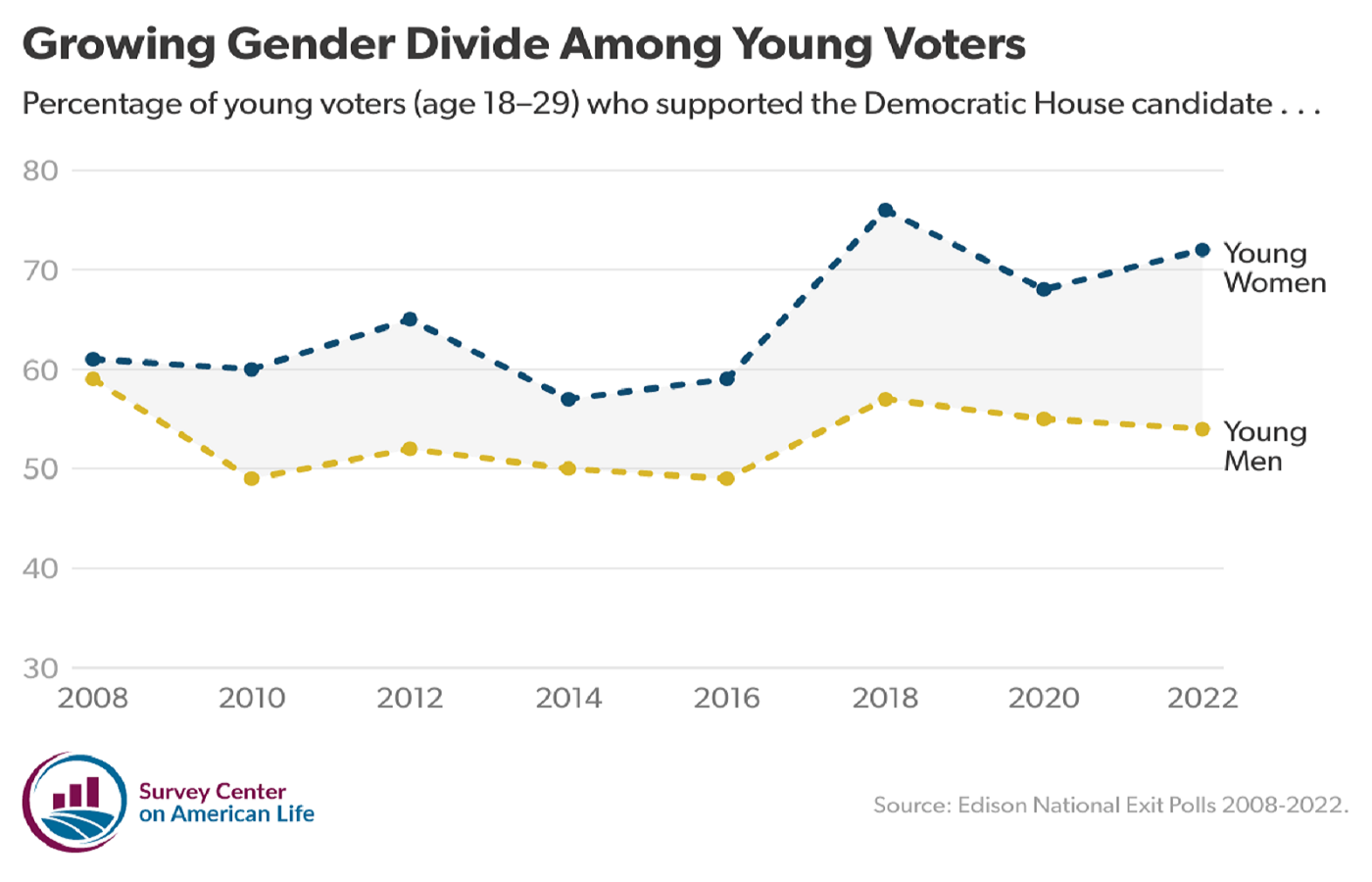
Line chart showing percentage of Democratic vote for women and men age 18-29.

Young voters were key to the Democratic Party’s surprising performance in the 2022 midterm elections. However, there was a pronounced gender gap young voters’ candidate preference. Nearly three quarters (72 percent) of young women voted for a Democrat compared to more than half (54 percent) of young men, an 18-point difference. After Dobbs, abortion became an extraordinarily salient issue during the 2022 campaign, especially for young women. Yet, it might not be entirely responsible for the widening divide. The gender gap in political preference grew considerably after Donald Trump’s election in 2016. As noted in a recent American Storylines newsletter, “Before Trump, Democratic candidates averaged around 60 percent of the vote among young women. That number rose to 70 percent in the years following his election.”

Generation Uncoupled

Generation Uncoupled book

Generation Uncoupled: America's New Gender Divide and the Crisis of Human Connection

Buy Now

Survey Reports

Daniel A. Cox
July 23, 2026

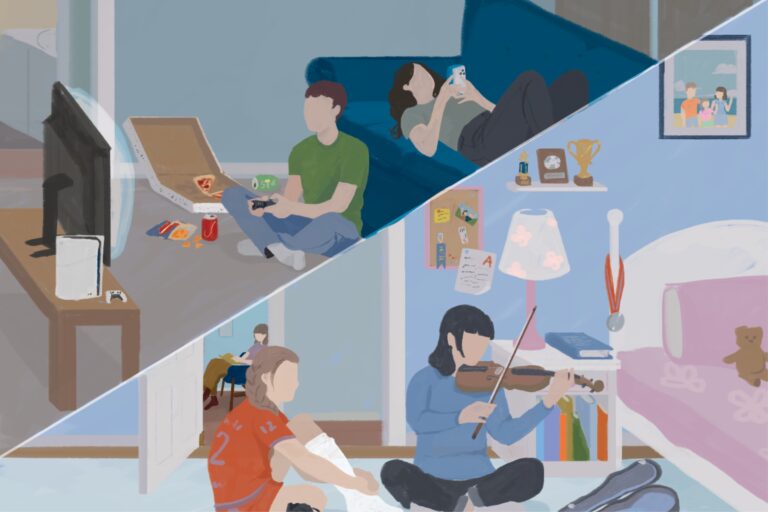
A Digital Divide in American Adolescence: Gender, Class, and the New Teenage Experience

If teenage years once represented a time of rebellion, teenagers’ lives today are marked less by pushing boundaries and more by building their own. Many teenage experiences are less common than they once were—dating, working a part-time job, and experimenting with drugs and alcohol are less common experiences. The 2026 American Teenagers Survey from the

Daniel A. Cox, Jae Grace, Avery Shields
April 27, 2026

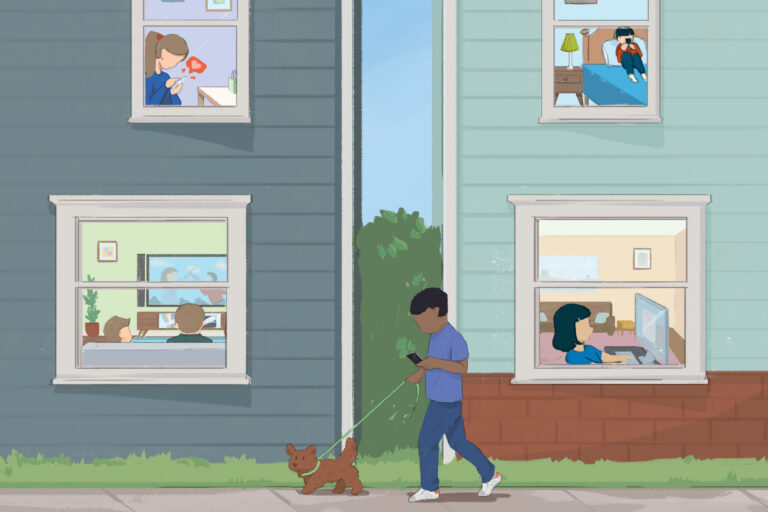
Strangers Next Door: The Decline of Neighborhood Socializing and the Class Divide in Belonging

Acknowledgment The American Enterprise Institute’s Survey Center on American Life is grateful to the John S. and James L. Knight Foundation for its generous support of this research. As Americans spend more of their time online, the neighborhood—once a primary physical location for real-world socialization—is playing less of a central role than ever before. Since