

Young man laying down scrolling on his cell phone

February 9, 2024

Gen Z’s Romance Gap: Why Nearly Half of Young Men Aren’t Dating

Until very recently, American culture has operated on the flawed notion that teenage dating and sex required little encouragement. Teenage romance was once seen as a natural part of American adolescence. This, it turns out, is completely wrong. Continue Reading →

Four cartoon black hanging lamps on a blue background, one light bulb is not working.

December 16, 2022

Women are More Likely to Make Friends at Work than Men. Here’s Why that Matters

Research shows that the more friends we have, the less likely we are to be depressed or anxious, and work friendships boost productivity and worker retention Continue Reading →

A cartoon of three miniature persons sitting on another person's hands that has shrubbery on them.

October 31, 2022

The New Workplace Gender Imbalance: Social Capital and Job Satisfaction

New data suggests gender and education are the difference between liking and loving your job. But there’s a price to be paid. Continue Reading →

Generation Uncoupled

Generation Uncoupled book

Generation Uncoupled: America's New Gender Divide and the Crisis of Human Connection

Buy Now

Survey Reports

Daniel A. Cox
July 23, 2026

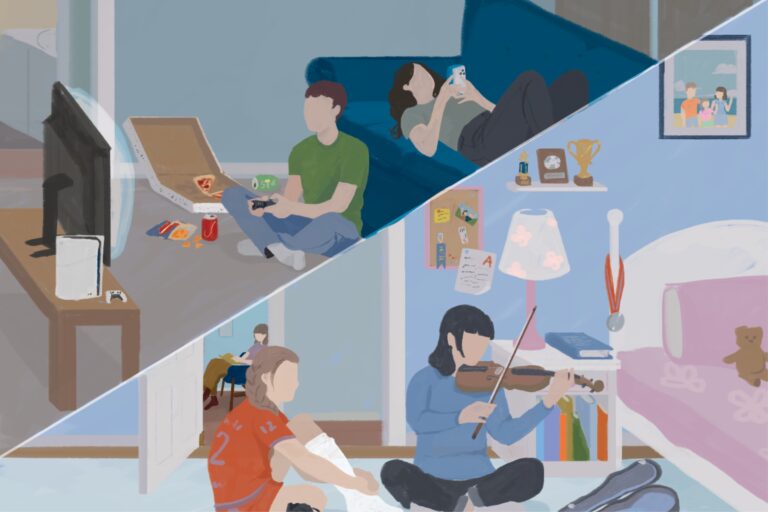
A Digital Divide in American Adolescence: Gender, Class, and the New Teenage Experience

If teenage years once represented a time of rebellion, teenagers’ lives today are marked less by pushing boundaries and more by building their own. Many teenage experiences are less common than they once were—dating, working a part-time job, and experimenting with drugs and alcohol are less common experiences. The 2026 American Teenagers Survey from the Continue Reading →

Daniel A. Cox, Jae Grace, Avery Shields
April 27, 2026

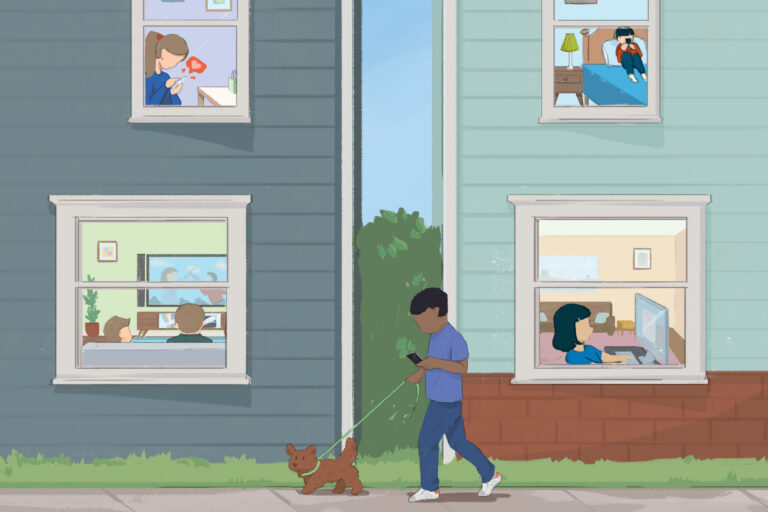
Strangers Next Door: The Decline of Neighborhood Socializing and the Class Divide in Belonging

Acknowledgment The American Enterprise Institute’s Survey Center on American Life is grateful to the John S. and James L. Knight Foundation for its generous support of this research. As Americans spend more of their time online, the neighborhood—once a primary physical location for real-world socialization—is playing less of a central role than ever before. Since Continue Reading →