

April 1, 2019
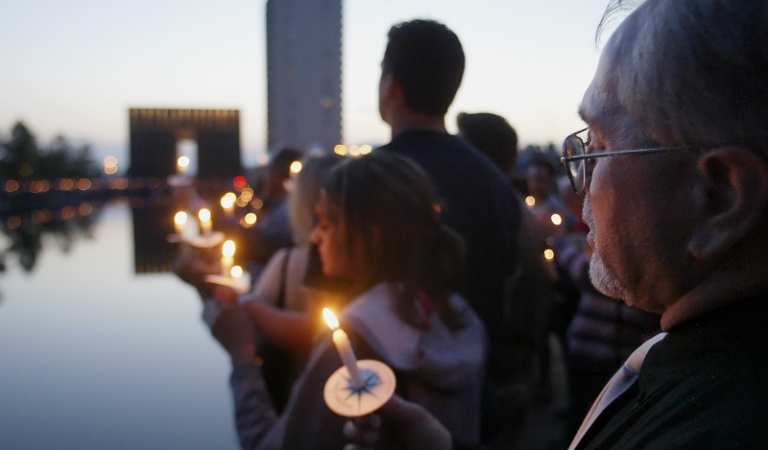
Doubting Disbelievers: A New Approach to Measuring Religious Uncertainty
Though most Americans say they believe in God, many express doubts that God exists. A new research approach finds that doubts about God are even more prevalent than previous surveys suggest—a pattern evident among believers and nonbelievers alike. Continue Reading →
March 6, 2019
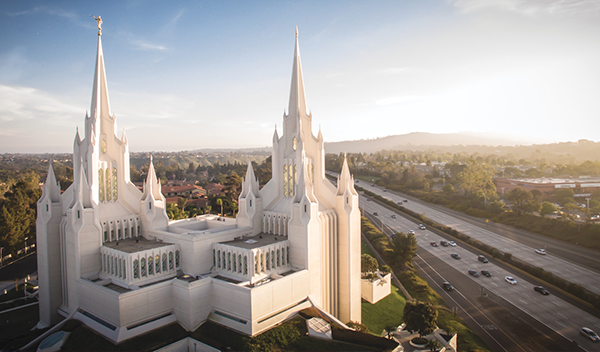
Most Churches are Losing Members Fast — But Not the Mormons. Here’s Why.
In an era of declining faith, Mormon membership is holding steady.
One-quarter of Americans are religiously unaffiliated today, and Christian denominations are contending with massive drops. The success of the Mormon Church may have to do with their unrelenting focus on the family. Continue Reading →
January 26, 2019
Trump’s Stumbles With a Huge, Traditionally-Republican Religious Group Could Cause Him Major Problems in 2020
Only 58 percent of Mormon voters said they would back Trump over Democratic candidate Joe Biden, the current leading contender for the nomination. Continue Reading →
Generation Uncoupled
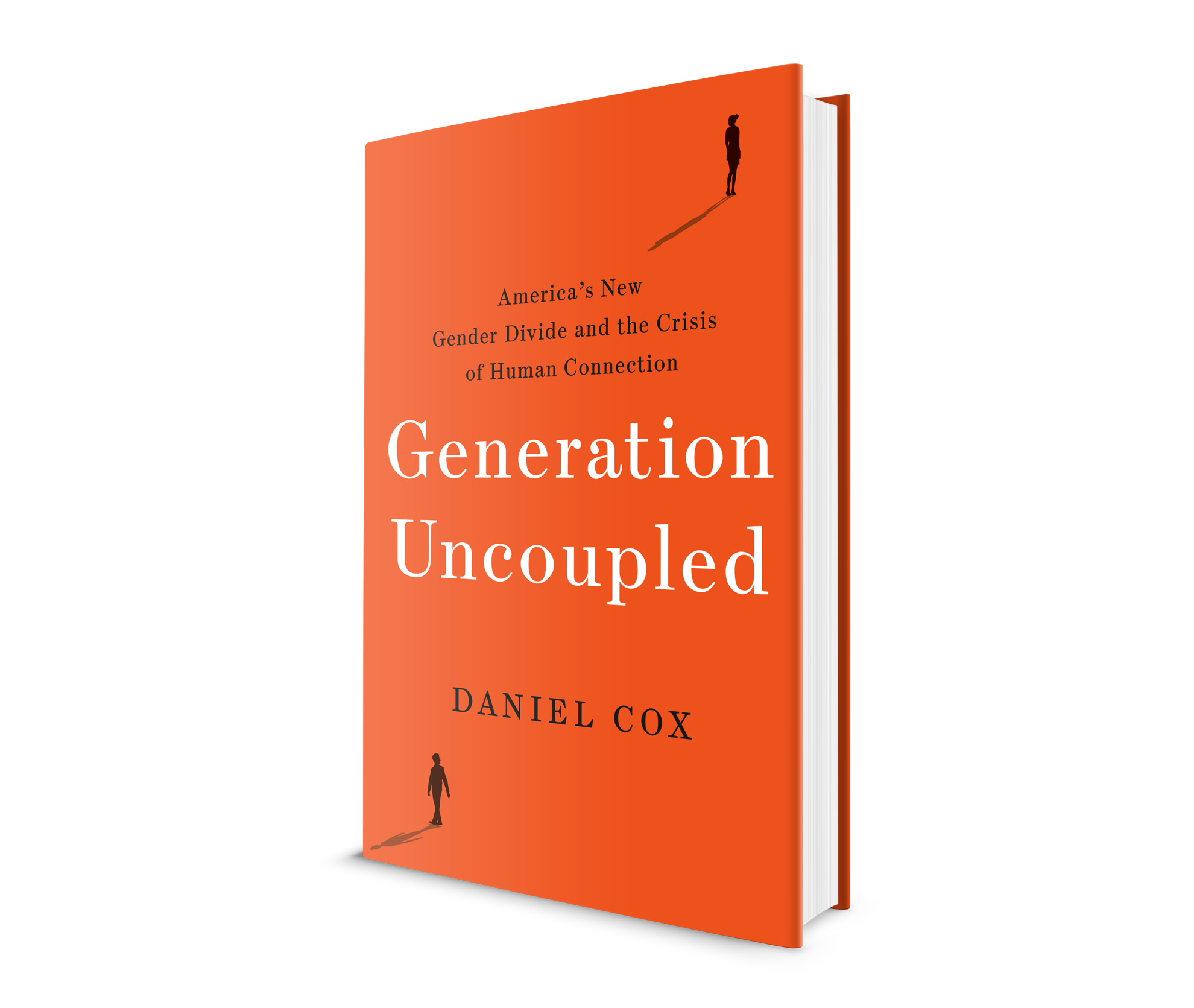
Generation Uncoupled: America's New Gender Divide and the Crisis of Human Connection
Buy NowSurvey Reports