

A pair of wedding rings rest on a sandy beach at sunset.
Newsletter

Does Marriage Make Us Happier?

Daniel A. Cox October 14, 2021

Marriage is on the decline. That’s not breaking news, but a new report from the Pew Research Center sheds new light on the magnitude of the drop. In nearly three decades, the number of Americans between the ages of 25 and 54 who are married dropped from over two-thirds to roughly half. Four in 10 (38 percent) Continue Reading →
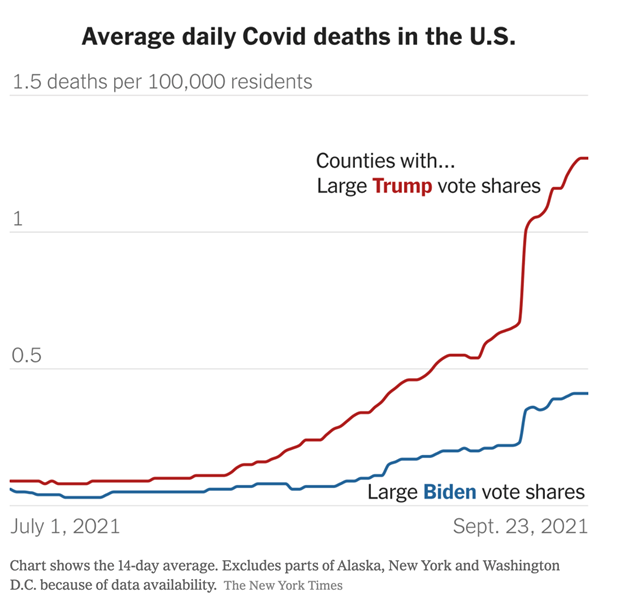
Chart showing average daily Covid deaths in the U.S. in 2021
Newsletter

Why Increasing COVID-19 Fatalities May Not Sway the Unvaccinated

Daniel A. Cox September 30, 2021

With nearly 700,000 Americans now dead from COVID-19, the US has reached yet another grim milestone. One in five hundred Americans have died from COVID-19. Unvaccinated Americans are suffering the vast majority of serious illnesses and deaths—in fact they are 11 times more likely to die from a COVID-19 infection. And it begs the question: As the unvaccinated see their friends and Continue Reading →

Generation Uncoupled
Generation Uncoupled book

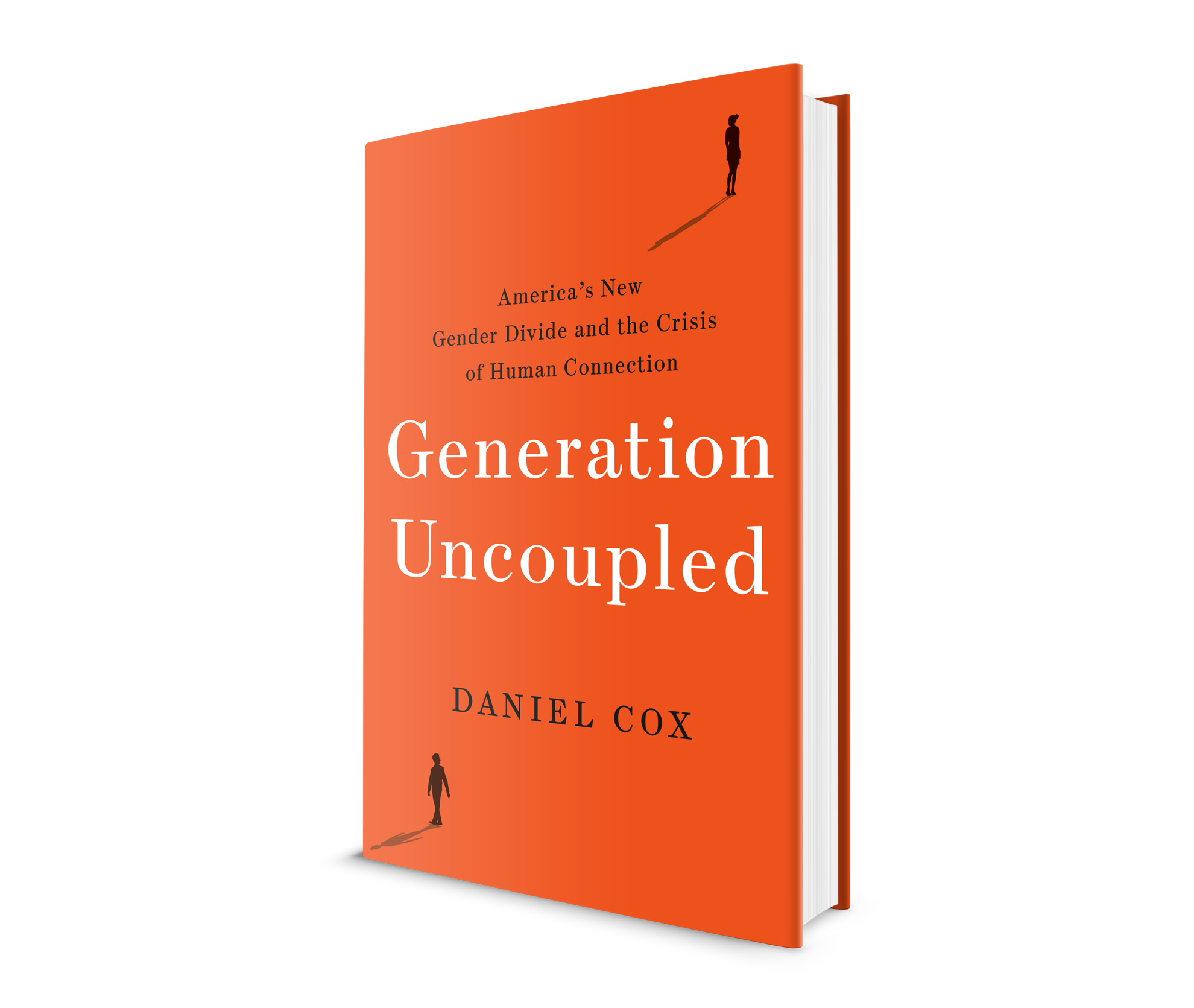
Generation Uncoupled: America's New Gender Divide and the Crisis of Human Connection

Buy Now

Survey Reports

Daniel A. Cox
July 23, 2026

A Digital Divide in American Adolescence: Gender, Class, and the New Teenage Experience

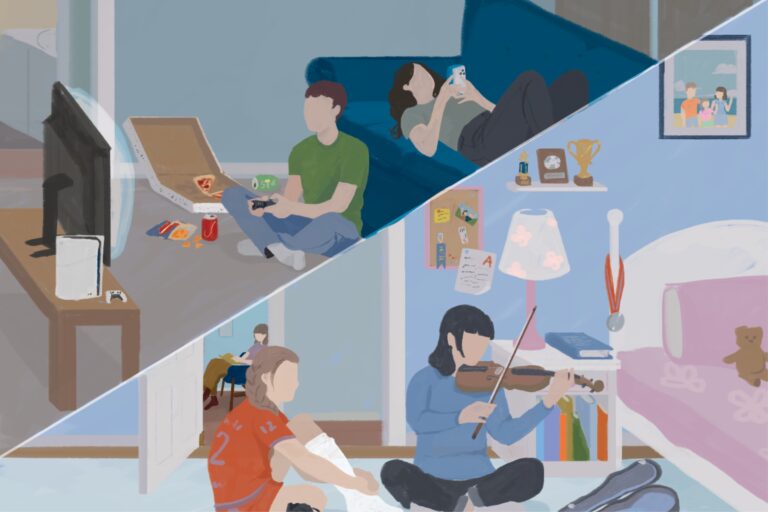
If teenage years once represented a time of rebellion, teenagers’ lives today are marked less by pushing boundaries and more by building their own. Many teenage experiences are less common than they once were—dating, working a part-time job, and experimenting with drugs and alcohol are less common experiences. The 2026 American Teenagers Survey from the

Daniel A. Cox, Jae Grace, Avery Shields
April 27, 2026

Strangers Next Door: The Decline of Neighborhood Socializing and the Class Divide in Belonging

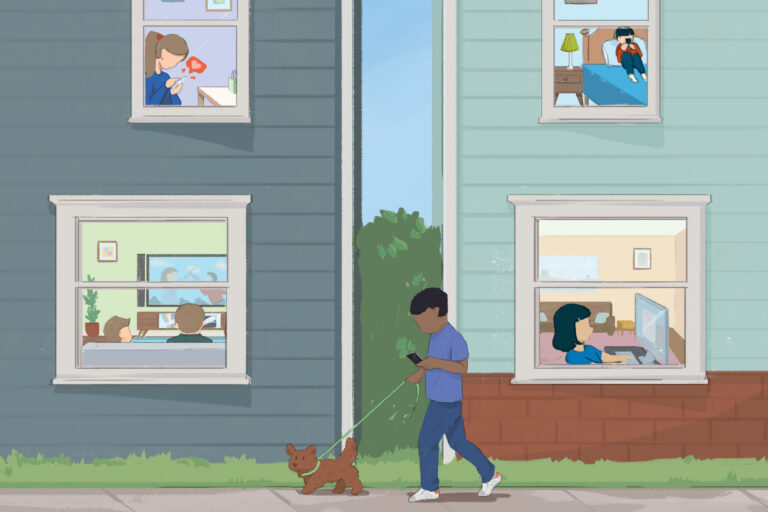
Acknowledgment The American Enterprise Institute’s Survey Center on American Life is grateful to the John S. and James L. Knight Foundation for its generous support of this research. As Americans spend more of their time online, the neighborhood—once a primary physical location for real-world socialization—is playing less of a central role than ever before. Since