


February 26, 2021
When it Comes to Conspiracy Theories, Education Matters
Educational attainment is closely associated with belief in conspiracy theories. However, education appears to matter more for Republicans than Democrats. Continue Reading →
February 11, 2021
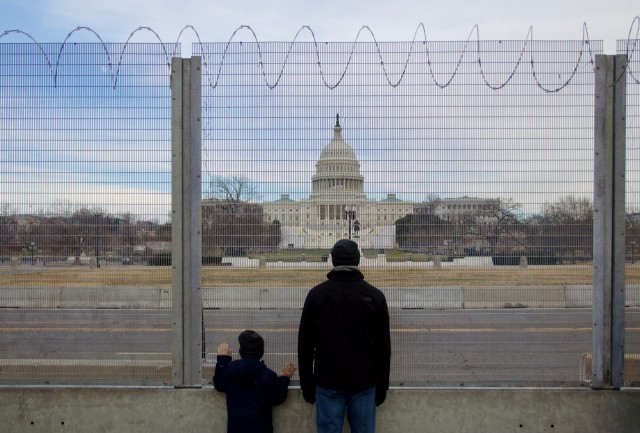
After the Ballots are Counted: Conspiracies, Political Violence, and American Exceptionalism
Findings from the January 2021 American Perspectives Survey
The January 2021 American Perspectives Survey looks at post-election sentiments, beliefs in conspiracies, attitudes toward political violence, political segregation, and general feelings toward the United States. Continue Reading →

February 8, 2021
If You Have a Lot of Friends, You’re Probably More Active in Politics
Having a robust network of friends and family may encourage us to become more active in civic and political life. Continue Reading →

December 9, 2020
A Turning Point? Americans Grapple With COVID-19 Amid Enduring Partisan and Racial Divisions
Findings from the November 2020 American Perspectives Survey
The November 2020 APS explores how Americans are grappling with COVID-19 amid soaring numbers of infections. Though large partisan divisions persist, more Americans say they would get a free, FDA-approved vaccine. It also challenges the “shy Trump voter” hypothesis and explores possible explanations for Trump’s increased support among non-white voters. Continue Reading →
November 13, 2020
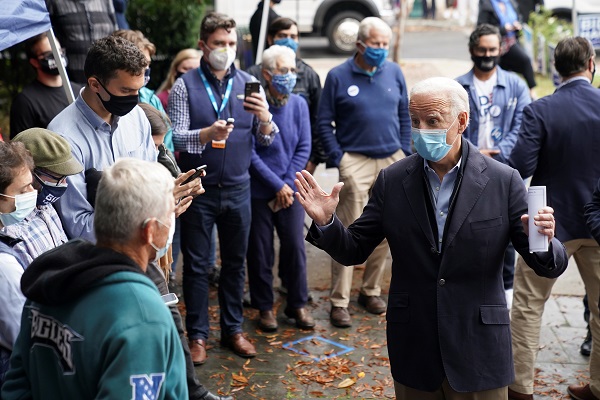
Biden’s Message of Unity is Welcomed by Most Americans
Biden’s desire to move past the divisiveness that has marked the Trump presidency, the question that follows is simple: Are Americans actually open to working with others and trying to find the middle ground? Continue Reading →
November 9, 2020
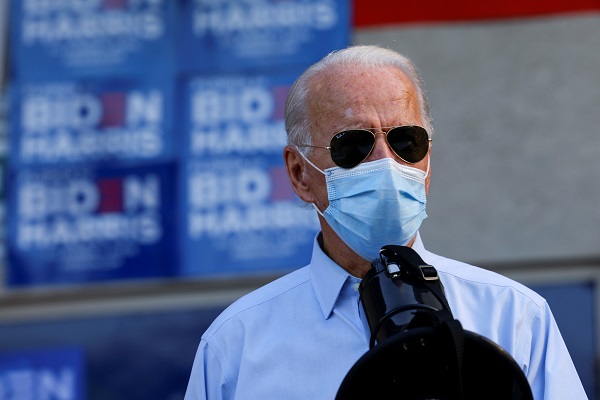
The 2020 Election Was Not Primarily About Trump As a Person
Biden will have the challenge of finding common ground with all Americans, but Biden already took the right steps when he declared in his acceptance speech that “It’s time to put away the harsh rhetoric, lower the temperature, see each other again, listen to each other again.” Continue Reading →

November 6, 2020
The 2020 Religion Vote
Religious voters lined up behind their preferred candidates in familiar ways in the 2020 presidential election, but there were some notable shifts. Continue Reading →

October 27, 2020
Our Media Bubbles Reflect a Larger Problem of Political Segregation
A new study finds Republican trust in conservative media outlets is closely tied to the political composition of their friendship network. Continue Reading →

October 21, 2020
Don’t Believe the Trump Hype: Who is Actually Protesting in 2020
Even with COVID-19 dominating the news and people being asked to stay home and social distance, Americans are leaving their homes to protest the state of the nation ahead of the November Presidential election. Continue Reading →
October 7, 2020
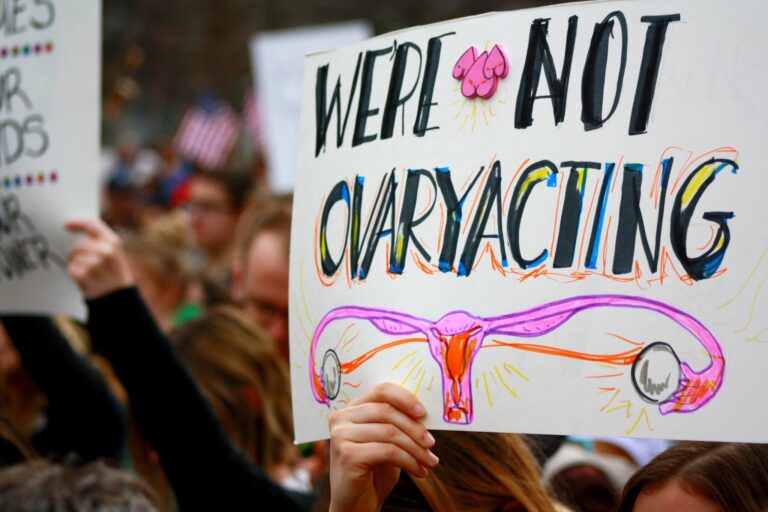
For Republicans, Abortion Attitudes Differ Depending on the Composition of Their Social Circle
Although abortion attitudes are highly polarized between the two parties and the issue remains contentious, among Republicans, views vary depending on their political networks. Continue Reading →
Generation Uncoupled
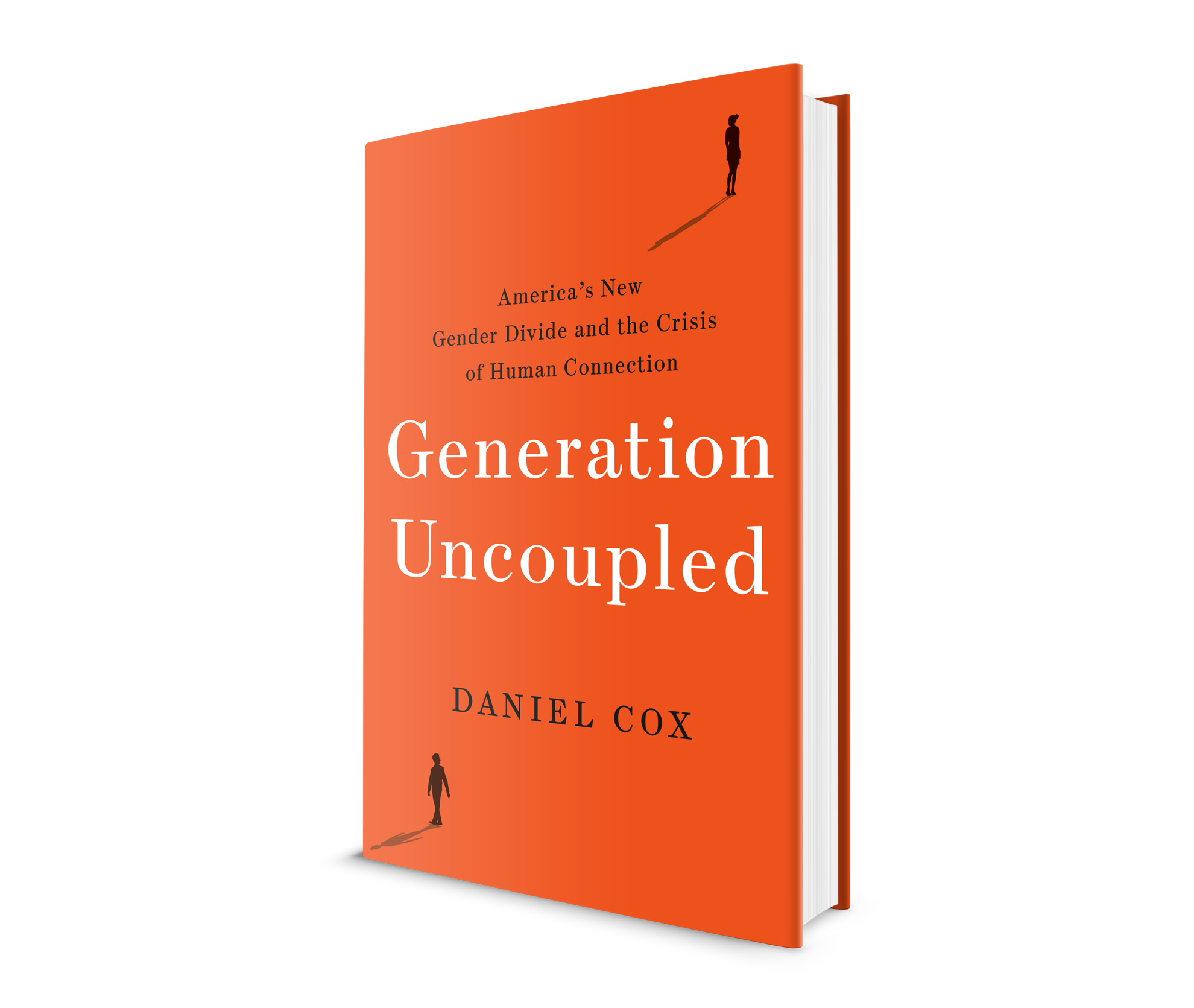
Generation Uncoupled: America's New Gender Divide and the Crisis of Human Connection
Buy NowSurvey Reports