

Photo of a girl sitting on the floor with her head between her knees.
Newsletter

The Despair of Young Liberal Women

Daniel A. Cox March 23, 2023

New research shows young people are in crisis, but how much is due to politics? Continue Reading →

Blue, purple, and pink watercolor bisexual flag.
Newsletter

What is Behind the Generational Jump in Bisexual Identity?

Daniel A. Cox March 9, 2023

One in eight Gen Zers now identifies as bisexual, a uniquely generational trend. Continue Reading →

Cartoon of a man and woman in distress
Newsletter

The Gender Divide in Dating Expectations

Daniel A. Cox February 23, 2023

Are women asking too much or are men offering too little? Continue Reading →

Three men playing cards cartoon.
Newsletter

Male Friendships Are Not Doing the Job

Daniel A. Cox February 9, 2023

Society Expects More from Men as Husbands, Fathers, and Partners, But Men Expect Too Little from Each Other Continue Reading →

#MeToo movement
Newsletter

The Men of the #MeToo Generation 

Daniel A. Cox January 26, 2023

Young men face an increasingly complicated and uncertain dating landscape following #MeToo, as revealed by our qualitative research findings. Continue Reading →
Artist rendition of numerous persons standing in the shape of the United States with a rift through the center just west of where the Mississippi River would lie.
Newsletter

America’s Coming Religious Divide

Daniel A. Cox January 12, 2023

The US is Rapidly Becoming a Country of Very Religious and Very Secular People, how has this happened? Continue Reading →

A series of colorful artistic renderings of charts and graphs laid out in a grid pattern on a white backdrop with the words "Top Findings 2022" superimposed on a grey text box.
Newsletter

My Favorite Findings From 2022

Daniel A. Cox December 29, 2022

A look back at the top charts, figures, and findings of 2022 and what they say about the country’s future. Continue Reading →

Black and white image of well dressed white married couple with young boy and girl exit church in 1950s.
Newsletter

There’s a Growing Class Divide in Church Attendance

Daniel A. Cox December 15, 2022

There are few institutions better positioned to transform individual lives and reshape communities than America’s churches and places of worship. Yet increasingly, these benefits are not spread evenly across American society. As religious participation in the US continues to fall, some Americans are much more affected by its absence. Continue Reading →

Grey haired woman singling hymn in pew sitting down in front of wood paneled wall and other congregants.
Newsletter

Aging Churches and the Enduring Opposition to Same-Sex Marriage

Daniel A. Cox December 1, 2022

As religious congregations age, are they being left behind? Continue Reading →

An image of a woman standing over a table to register people to vote.
Newsletter

Will a Gen Z Wave Transform the 2022 Midterms?

Daniel A. Cox November 3, 2022

Youth political engagement is hard to predict. Continue Reading →

Generation Uncoupled

Generation Uncoupled book

Generation Uncoupled: America's New Gender Divide and the Crisis of Human Connection

Buy Now

Survey Reports

Daniel A. Cox
July 23, 2026

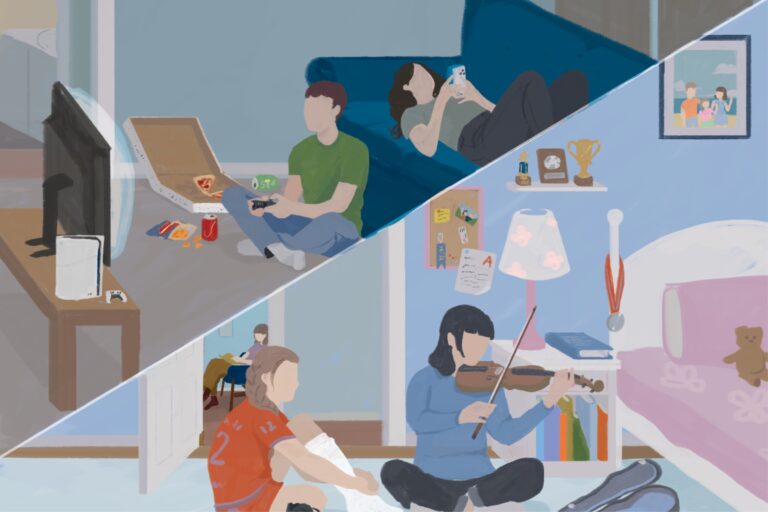
A Digital Divide in American Adolescence: Gender, Class, and the New Teenage Experience

If teenage years once represented a time of rebellion, teenagers’ lives today are marked less by pushing boundaries and more by building their own. Many teenage experiences are less common than they once were—dating, working a part-time job, and experimenting with drugs and alcohol are less common experiences. The 2026 American Teenagers Survey from the

Daniel A. Cox, Jae Grace, Avery Shields
April 27, 2026

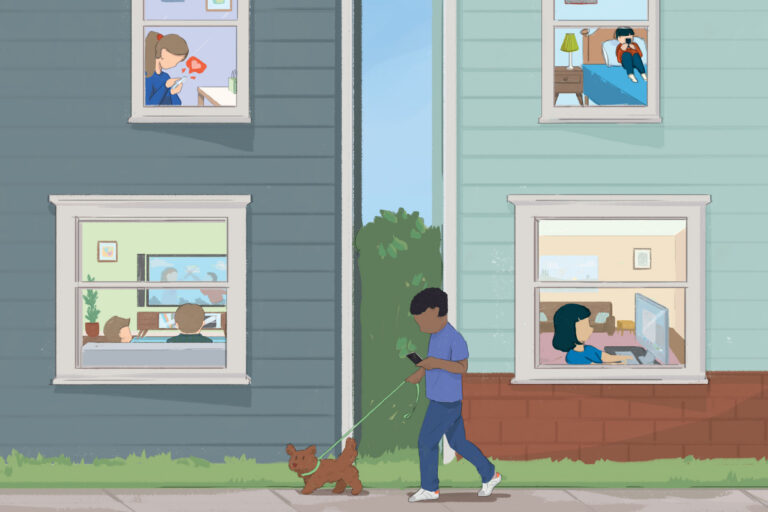
Strangers Next Door: The Decline of Neighborhood Socializing and the Class Divide in Belonging

Acknowledgment The American Enterprise Institute’s Survey Center on American Life is grateful to the John S. and James L. Knight Foundation for its generous support of this research. As Americans spend more of their time online, the neighborhood—once a primary physical location for real-world socialization—is playing less of a central role than ever before. Since